 Pay your way: Klarna, PayPal & more
 contact@futonlove.com
 Immediate shipping


Futon Mattresses for baby
( number of products: 9 )Choosing the right mattress for a child means paying attention to firmness, comfort, materials, and the intended bed setup. Futon mattresses for children offer a simple layered construction and a stable sleeping surface that can work well in minimalist bedrooms and low bed arrangements. A futon mattress for children can be made with cotton batting and, depending on the model, additional layers such as latex or coconut fibre to create different levels of firmness and responsiveness. A Japanese-style futon mattress for children can also be a practical choice for families who prefer a simple, low-profile sleeping setup, provided the mattress is used on a suitable, well-ventilated base.
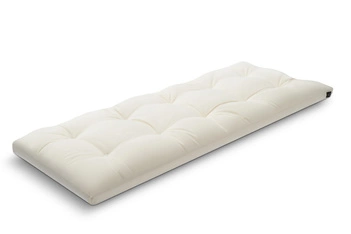
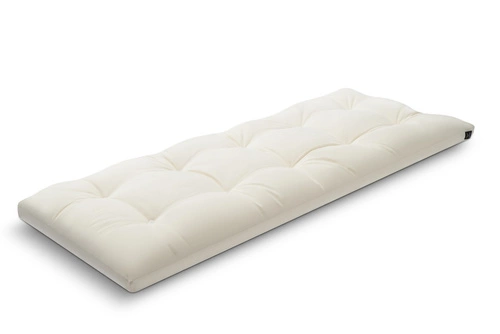
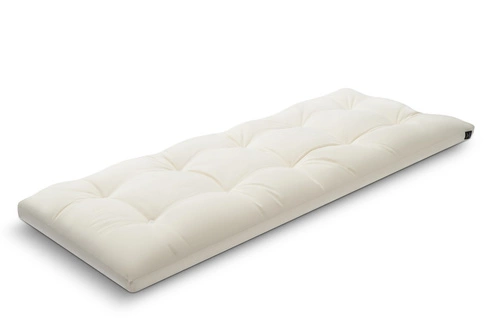
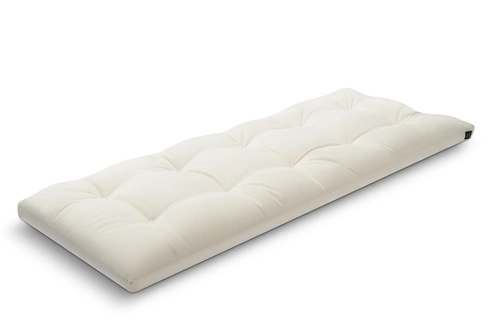
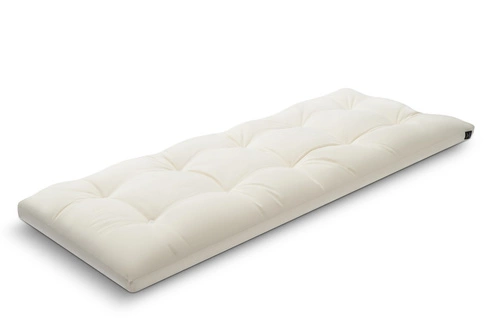
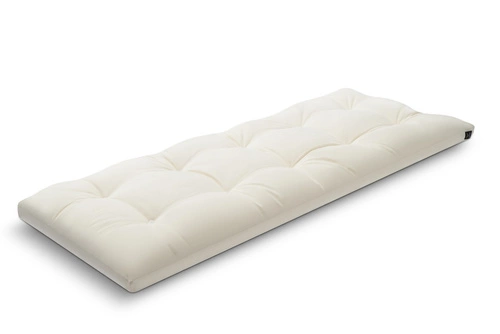
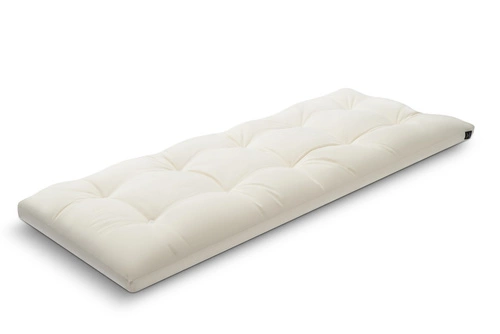
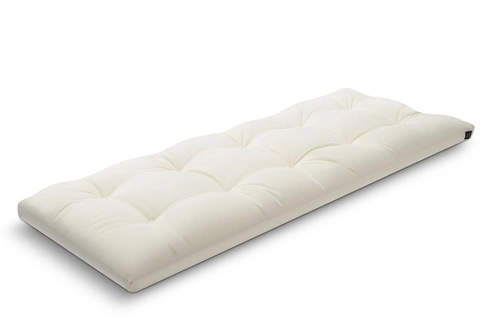
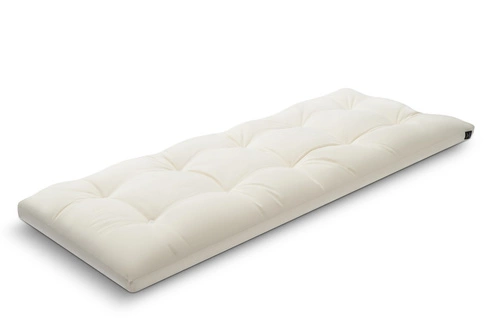
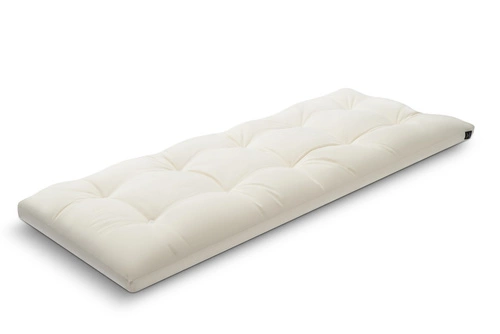

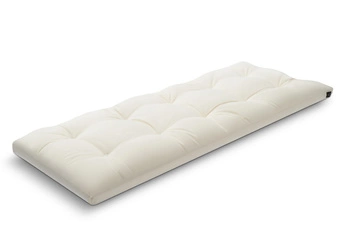
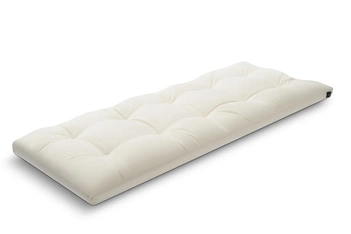

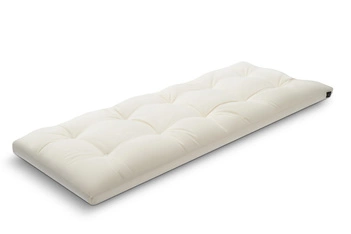
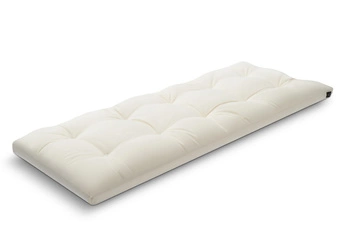
Futon Mattress for Children - Why Choose One?
A futon mattress for children can be a practical choice for families who prefer a simple, stable sleeping surface and a minimalist bedroom setup. Cotton batting creates the characteristic grounded feel of a futon, while selected models may also include latex or coconut fibre to change the level of elasticity and firmness. The right choice should always take into account the child’s age, body weight, sleeping habits, and the type of bed base used.
Japanese-Style Futon Mattress for Children - Simple and Functional
A Japanese-style futon mattress for children works well in low-profile and minimalist interiors. It can be used on a suitable bed frame or together with a tatami mat, provided the sleeping surface is stable and well ventilated. Its layered construction gives the mattress a firmer, more structured feel than many soft foam mattresses, which may appeal to families looking for a simple and traditional-style sleeping solution.
Frequently Asked Questions
-
Why choose a futon mattress for a child’s bedroom?
-
A futon mattress for children offers a simple layered construction and a stable sleeping surface. Depending on the model, the mattress may contain cotton batting, latex, or coconut fibre, allowing you to choose between a firmer or more responsive feel. Its low-profile design also works well in minimalist and Japanese-inspired children’s rooms.
-
What materials are used in futon mattresses for children?
-
Many FutonLove futons are based on cotton batting. Depending on the model, additional layers of latex or coconut fibre may also be used. Coconut fibre increases firmness and rigidity, while latex adds elasticity and responsiveness. The exact material composition should always be checked on the individual product page.
-
How should a child’s futon mattress be cared for?
-
Regular airing and turning help the mattress wear more evenly. Rotate it from head to foot and top to bottom according to the care instructions for the selected model. Only flexible futons specifically designed for rolling should be rolled. Medium and Comfort models should remain flat. Avoid soaking the mattress and vacuum it only at low power.
-
What type of base is suitable for a child’s futon mattress?
-
A futon mattress should be placed on a stable and supportive base that allows air to circulate underneath. Closely spaced wooden slats or tatami mats are suitable options. Permanent use directly on an unventilated floor or solid board should be avoided because airflow underneath the mattress is important.
-
Are futon mattresses suitable for children with allergies?
-
Suitability depends on the individual child and the exact mattress composition. Cotton, latex, coconut fibre, or wool should not automatically be described as hypoallergenic. If a child has a known allergy or sensitivity, check the full list of materials in the selected mattress before purchase and consult a healthcare professional when necessary.
-
How is a futon different from a foam mattress?
-
The main difference is the construction and sleeping feel. Futons are typically built from layered materials such as cotton batting, sometimes combined with latex or coconut fibre, and usually provide a firmer, more grounded surface. Foam mattresses rely primarily on foam layers and can vary widely in softness, contouring, and responsiveness. Neither type is universally better; the right choice depends on the sleeper and the intended use.