 Pay your way: Klarna, PayPal & more
 contact@futonlove.com
 Immediate shipping


with layers of coconut and latex
( number of products: 96 )A coconut and latex mattress is a good choice for sleepers looking for a balance between firmness and responsiveness. The coconut fibre layer adds rigidity and creates a more stable sleeping surface, while latex increases elasticity and helps the mattress respond more readily to pressure and movement. This combination is well suited to people who want a firmer futon feel without giving up all flexibility.
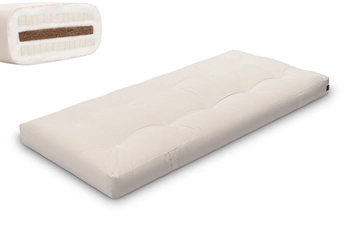
Futon Mattress 90x200 with coconut and 2x latex - Comfort Relax - Pascall Ecru
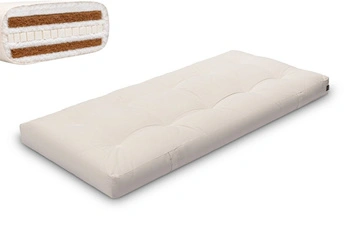
Futon Mattress 90x200 with latex and 2x coconut - Comfort Relax Hard - Pascall Ecru
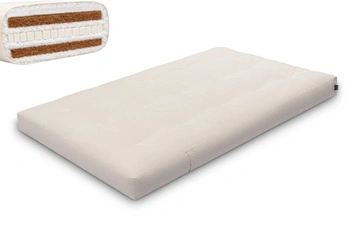
Futon Mattress 120x200 with latex and 2x coconut - Comfort Relax Hard - Pascall Ecru
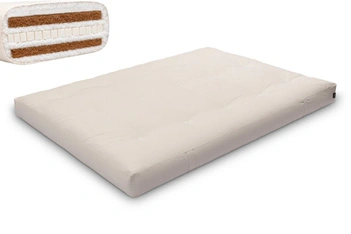
Futon Mattress 140x200 with latex and 2x coconut - Comfort Relax Hard - Pascall Ecru
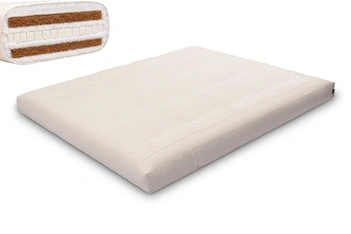
Futon Mattress 160x200 with latex and 2x coconut - Comfort Relax Hard - Pascall Ecru
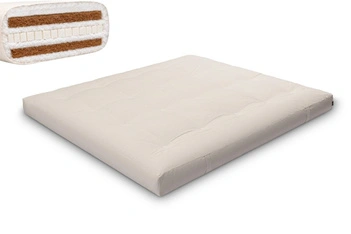
Futon Mattress 180x200 with latex and 2x coconut - Comfort Relax Hard - Pascall Ecru
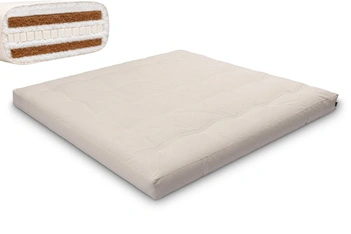
Futon Mattress 200x200 with latex and 2x coconut - Comfort Relax Hard - Pascall Ecru

Futon Mattress 90x200 with latex and 2x coconut - Comfort Relax Hard - Pascall Grey
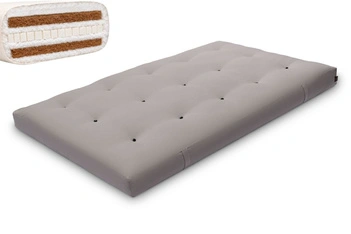
Futon Mattress 120x200 with latex and 2x coconut - Comfort Relax Hard - Pascall Grey
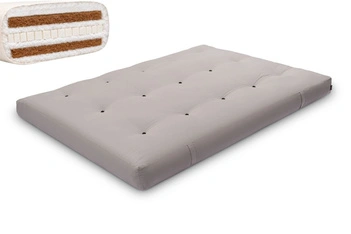
Futon Mattress 140x200 with latex and 2x coconut - Comfort Relax Hard - Pascall Grey
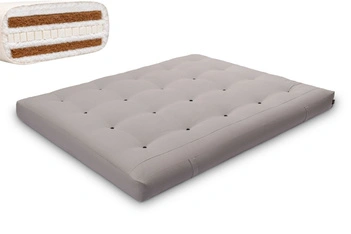
Futon Mattress 160x200 with latex and 2x coconut - Comfort Relax Hard - Pascall Grey
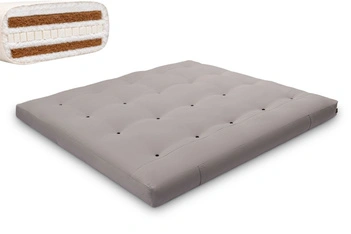
Futon Mattress 180x200 with latex and 2x coconut - Comfort Relax Hard - Pascall Grey
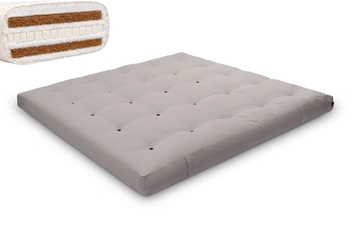
Futon Mattress 200x200 with latex and 2x coconut - Comfort Relax Hard - Pascall Grey
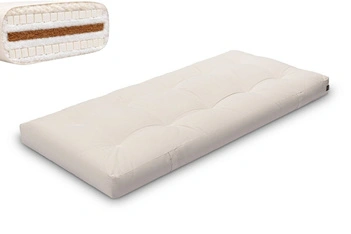
Futon Mattress 90x200 with wool, coconut and 2x latex - Comfort Wool - Pascall Ecru
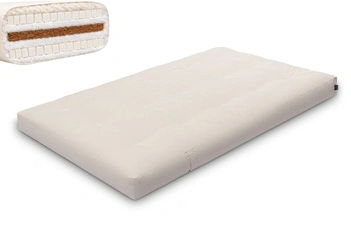
Futon Mattress 120x200 with wool, coconut and 2x latex - Comfort Wool - Pascall Ecru
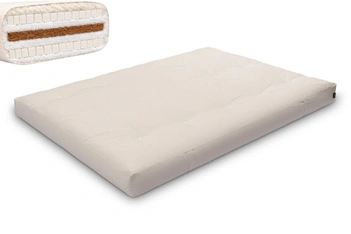
Futon Mattress 140x200 with wool, coconut and 2x latex - Comfort Wool - Pascall Ecru
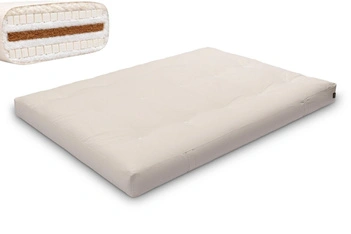
Futon Mattress 160x200 with wool, coconut and 2x latex - Comfort Wool - Pascall Ecru
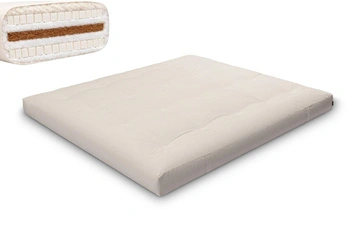
Futon Mattress 180x200 with wool, coconut and 2x latex - Comfort Wool - Pascall Ecru
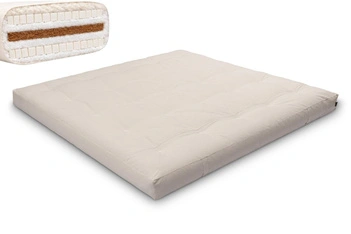
Futon Mattress 200x200 with wool, coconut and 2x latex - Comfort Wool - Pascall Ecru
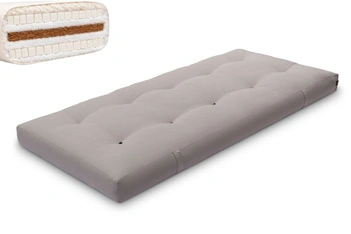
Futon Mattress 90x200 with wool, coconut and 2x latex - Comfort Wool - Pascall Grey
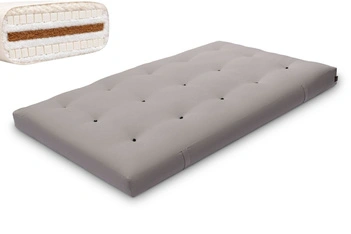
Futon Mattress 120x200 with wool, coconut and 2x latex - Comfort Wool - Pascall Grey
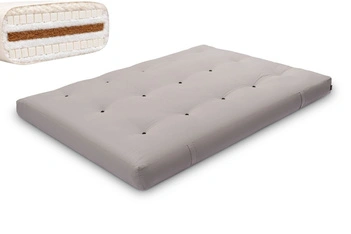
Futon Mattress 140x200 with wool, coconut and 2x latex - Comfort Wool - Pascall Grey
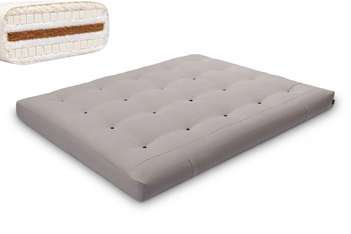
Futon Mattress 160x200 with wool, coconut and 2x latex - Comfort Wool - Pascall Grey
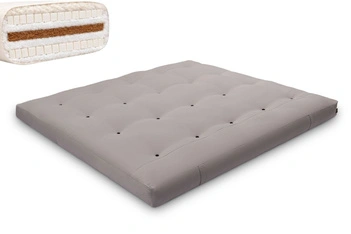
Futon Mattress 180x200 with wool, coconut and 2x latex - Comfort Wool - Pascall Grey
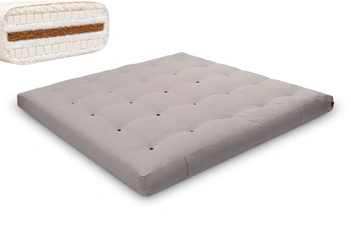
Futon Mattress 200x200 with wool, coconut and 2x latex - Comfort Wool - Pascall Grey
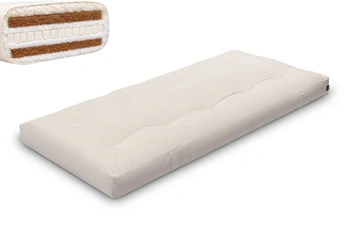
Futon Mattress 90x200 with wool, latex and 2x coconut - Comfort Wool Hard - Pascall Ecru
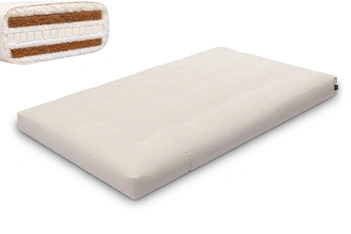
Futon Mattress 120x200 with wool, latex and 2x coconut - Comfort Wool Hard - Pascall Ecru

Futon Mattress 140x200 with wool, latex and 2x coconut - Comfort Wool Hard - Pascall Ecru

Futon Mattress 160x200 with wool, latex and 2x coconut - Comfort Wool Hard - Pascall Ecru

Futon Mattress 180x200 with wool, latex and 2x coconut - Comfort Wool Hard - Pascall Ecru

Futon Mattress 200x200 with wool, latex and 2x coconut - Comfort Wool Hard - Pascall Ecru
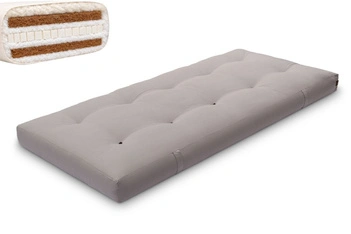
Futon Mattress 90x200 with wool, latex and 2x coconut - Comfort Wool Hard - Pascall Grey
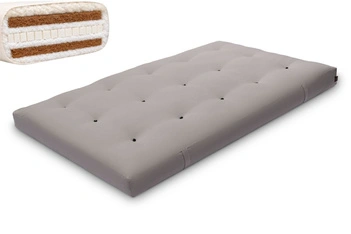
Futon Mattress 120x200 with wool, latex and 2x coconut - Comfort Wool Hard - Pascall Grey
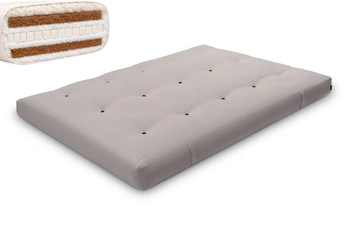
Futon Mattress 140x200 with wool, latex and 2x coconut - Comfort Wool Hard - Pascall Grey
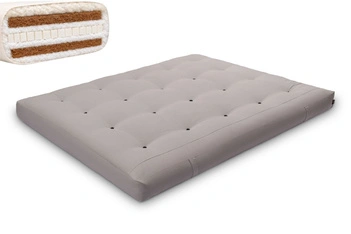
Futon Mattress 160x200 with wool, latex and 2x coconut - Comfort Wool Hard - Pascall Grey
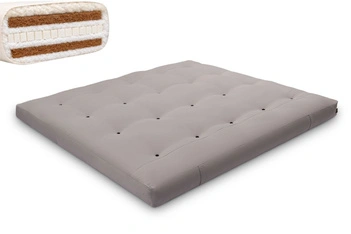
Futon Mattress 180x200 with wool, latex and 2x coconut - Comfort Wool Hard - Pascall Grey
Coconut and Latex Mattress - Firmness with Added Responsiveness
A coconut and latex mattress combines two materials with very different properties. Coconut fibre adds rigidity and creates a more stable sleeping surface, while latex increases elasticity and responsiveness. The result is a firmer futon construction that still offers more flexibility than a coconut-only model.
Frequently Asked Questions
-
Why choose a coconut and latex mattress for the bedroom?
-
A coconut and latex mattress is a good option for sleepers who want a firmer, more structured surface without giving up all elasticity. Coconut fibre limits sink and increases rigidity, while latex helps the mattress react more readily to pressure and movement. This creates a balanced feel between stability and responsiveness.
-
Who is a mattress with coconut fibre and latex suitable for?
-
This type of construction is often suitable for people who prefer a firmer mattress but find a very rigid surface uncomfortable. Heavier sleepers may also appreciate the added stability of coconut fibre, while the latex layer introduces a degree of flexibility. The final choice should still depend on body weight, sleeping position, and personal preference.
-
Are coconut and latex mattresses well ventilated?
-
The layered construction can support airflow through the mattress, especially when it is placed on a ventilated base. Coconut fibre has an open fibrous structure, while latex adds a more elastic layer within the futon. However, the mattress should not be described as preventing dust mites, mould, or allergens. Proper ventilation and regular airing remain important.
-
How should I care for a coconut and latex futon mattress?
-
Regular airing and turning help the mattress wear more evenly. Rotate it from head to foot and top to bottom according to the care instructions for the selected model. Because coconut fibre is relatively rigid, these mattresses should not be rolled unless the product specification explicitly allows it. The integrated cover is non-removable, so the mattress should not be machine washed. Avoid soaking the interior.
-
What type of bed base is best for a coconut and latex mattress?
-
A stable base with closely spaced wooden slats or tatami mats is suitable for many coconut and latex futons. The base should provide even support while allowing air to circulate underneath. Compatibility with adjustable bed bases depends on the exact construction, as rigid coconut layers can limit how much the mattress can bend.
-
Does a coconut and latex mattress resist deformation?
-
Coconut fibre adds rigidity, while latex helps the surface return more readily after pressure is removed. Together, these materials create a more structured and responsive mattress than a cotton-only construction. However, how the mattress changes over time depends on body weight, frequency of use, bed base, care, and the exact thickness and arrangement of the individual layers.