 Pay your way: Klarna, PayPal & more
 contact@futonlove.com
 Immediate shipping


Mattress
( number of products: 618 )BROWSE CATEGORIES


BEDROOM

HYBRID H3

Medium firm, elastic
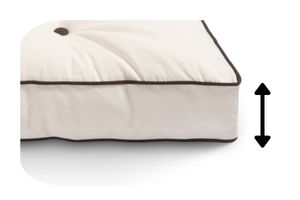
height: 18 cm
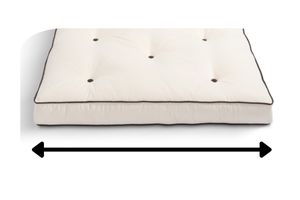
width: 90-200 cm

colour: 2 options

HYBRID H4

Firm, elastic
height: 18 cm
width: 90-200 cm
colour: 2 options

COMFORT RELAX

Medium firm, Medium-elastic
height: 18 cm
width: 90-200 cm
colour: 4 options

MEDIUM NATURAL
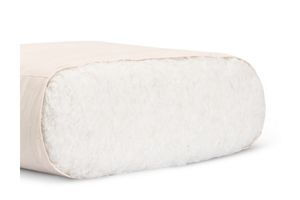
Medium firm, Not very elastic
height: 14 cm
width: 90-200 cm
colour: 4 options

COMFORT NATURAL
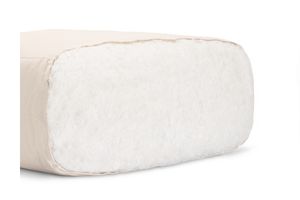
Medium firm, Not very elastic
height: 18 cm
width: 90-200 cm
colour: 4 options

MEDIUM LATEX

Medium firm, Medium-elastic
height: 14 cm
width: 90-200 cm
colour: 4 options

MEDIUM DUO LATEX

Medium firm, elastic
height: 14 cm
width: 90-200 cm
colour: 4 options

COMFORT TRIO LATEX

Medium firm, Very elastic
height: 18 cm
width: 90-200 cm
colour: 4 options

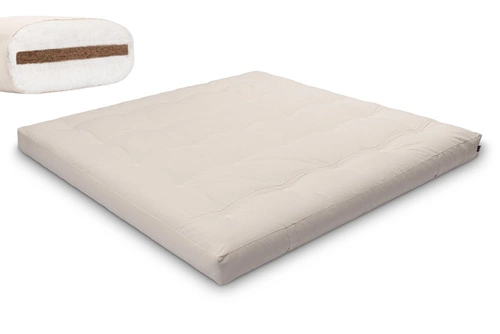
MEDIUM COCO

Firm, Not very elastic
height: 14 cm
width: 90-200 cm
colour: 4 options

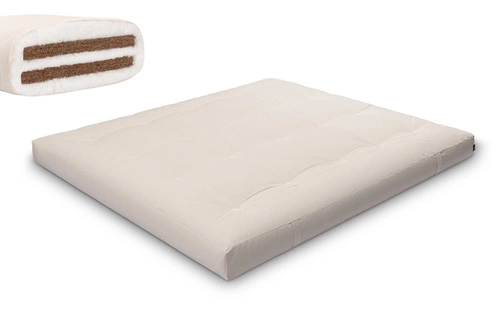
MEDIUM DUO COCO

Very firm, Not very elastic
height: 14 cm
width: 90-200 cm
colour: 4 options
LIVING ROOM / BEDROOM

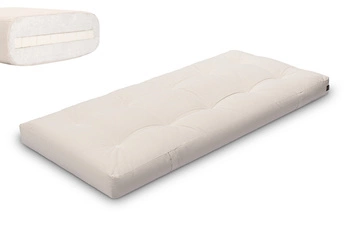
SLIM NATURAL
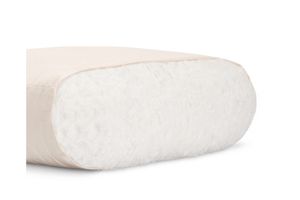
Medium firm, Not very elastic
height: 10 cm
width: 90-200 cm
colour: 11 options

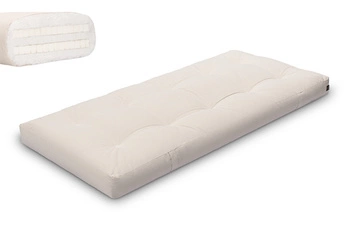
SLIM LATEX

Medium firm, Medium-elastic
height: 10 cm
width: 90-200 cm
colour: 11 options

SLIM DUO LATEX

Medium firm, elastic
height: 10 cm
width: 90-200 cm
colour: 11 options
FUNCTIONAL

TRAVEL NATURAL

Medium firm, elastic
height: 6 cm
width: 70-140 cm
colour: 2 options

FLEX NATURAL
non-woven cotton
height: 14 cm
width: 70-90 cm
colour: 9 options
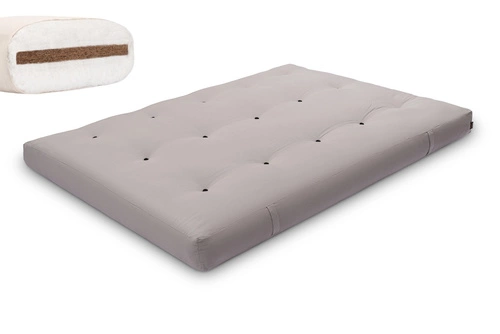
FLEX LATEX
+ latex (3 cm)
height: 14 cm
width: 70-90 cm
colour: 9 options
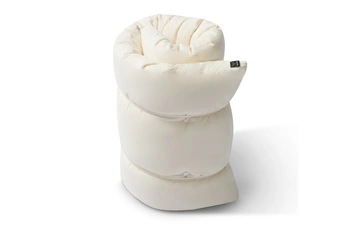
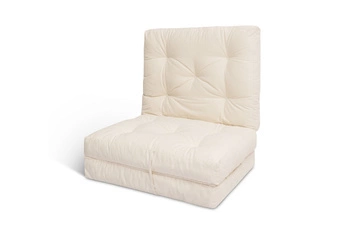
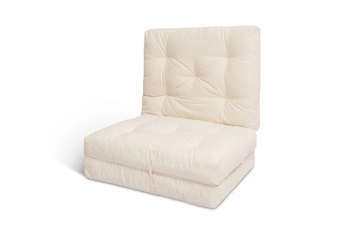
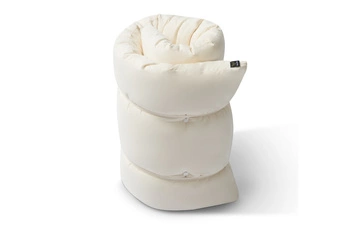
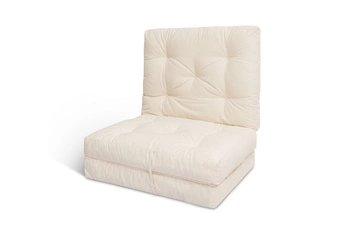
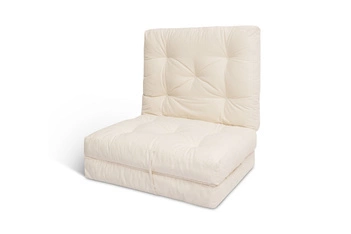
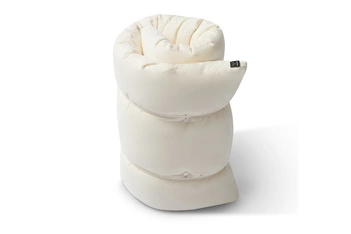
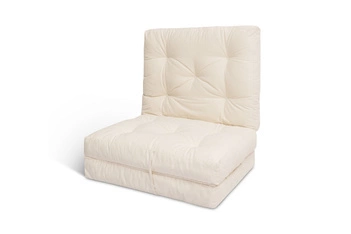
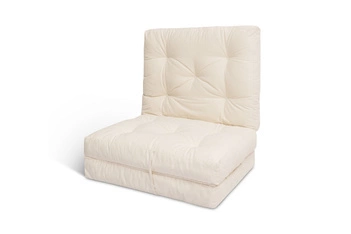
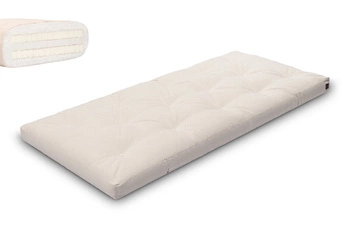
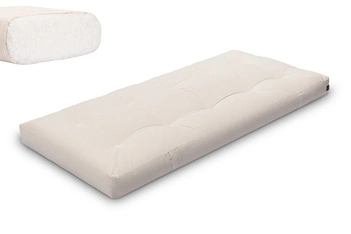
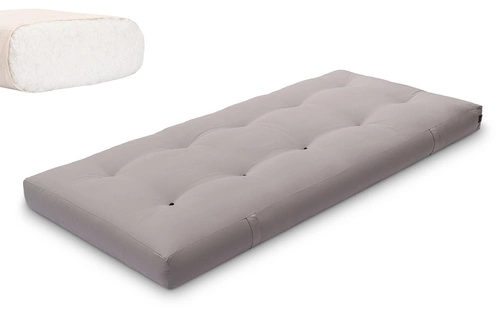
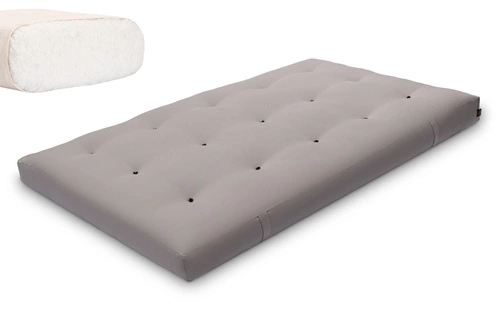
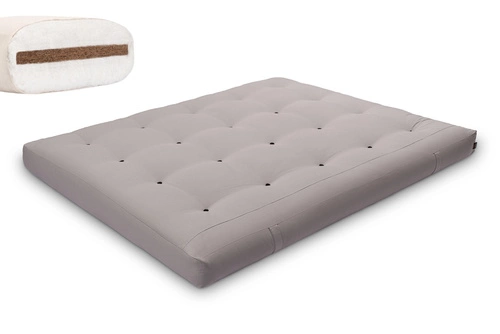
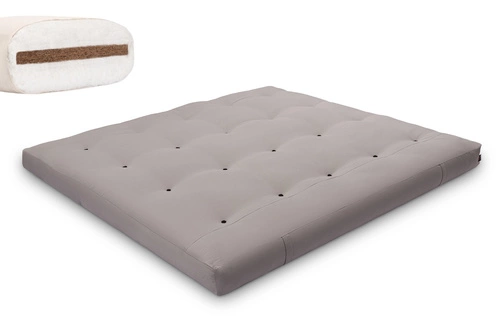
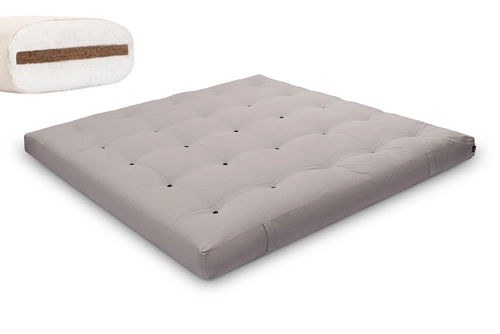
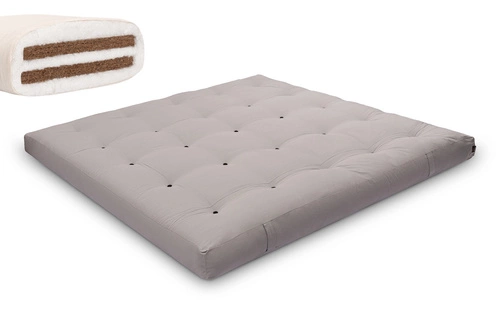
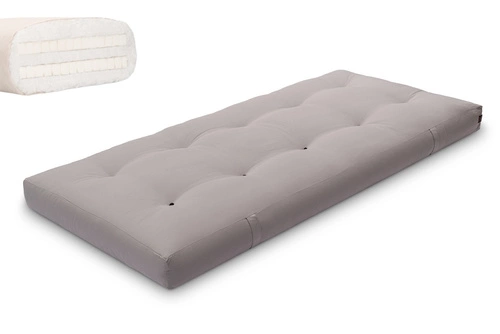
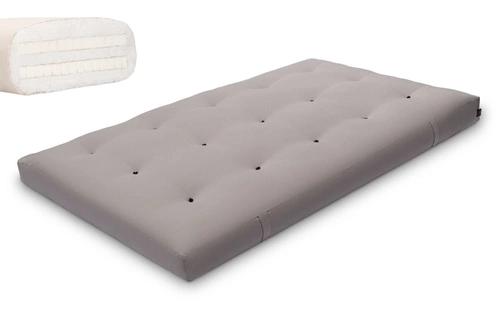
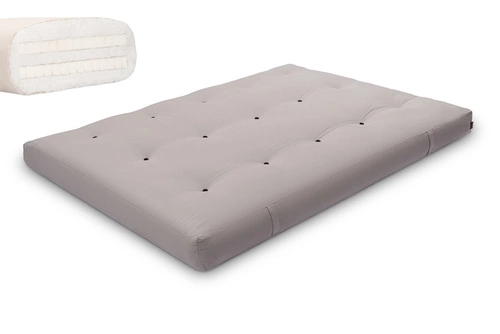
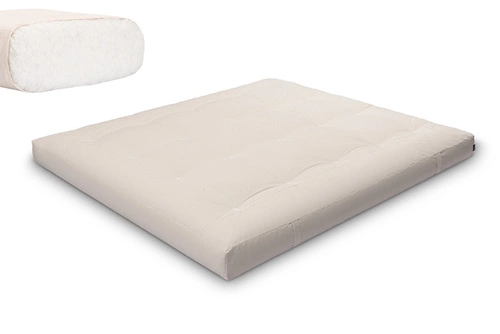
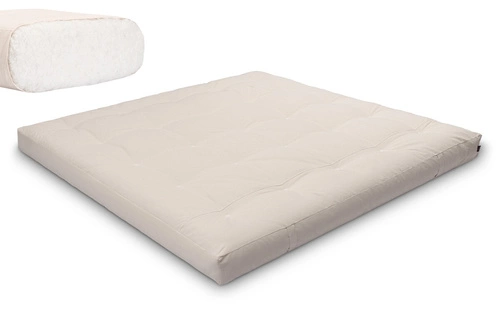
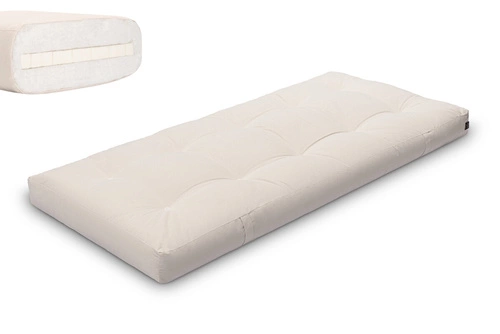
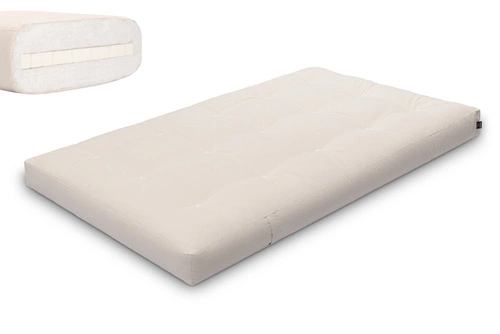
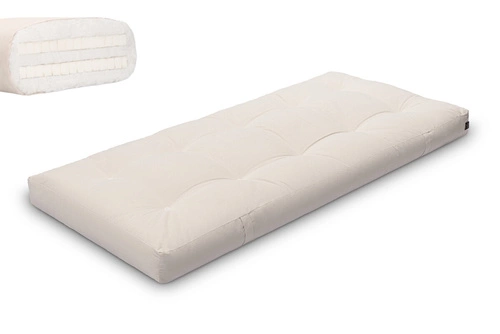
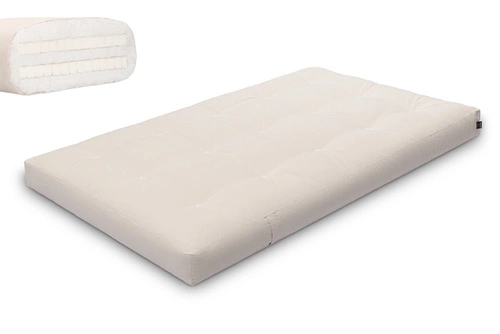
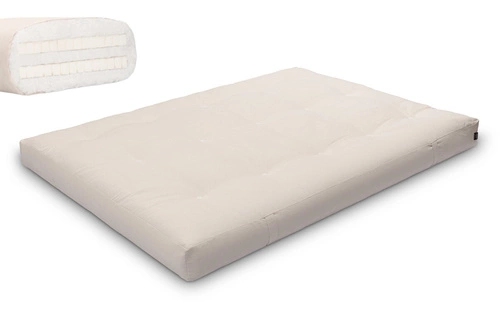
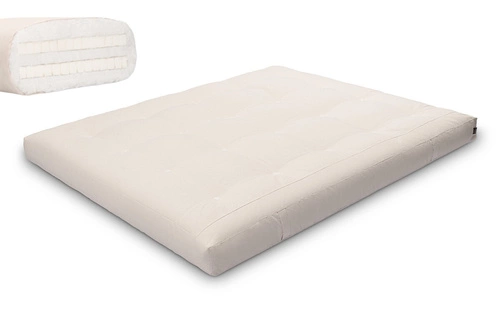
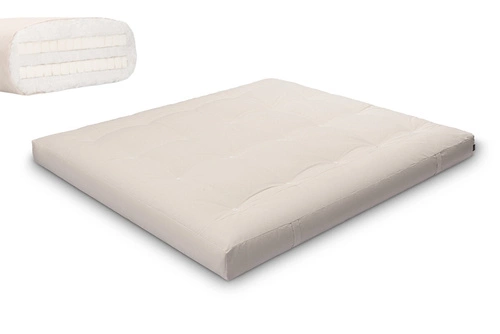
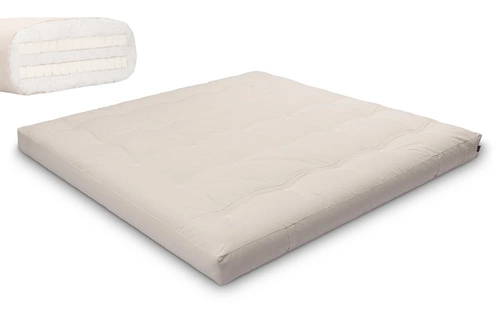
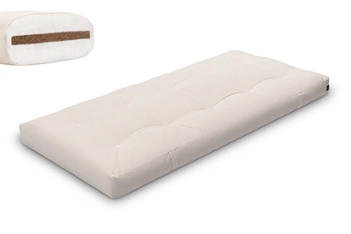
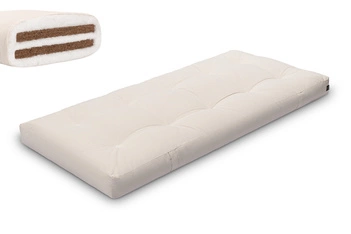
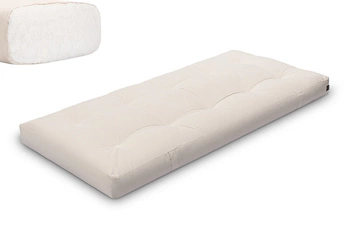
Futon Folding Mattress 90x200 with latex - Flex Latex - Pascall Ecru
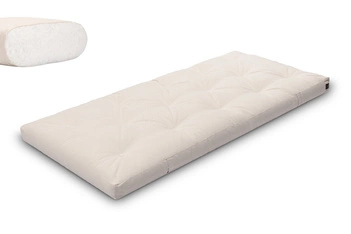
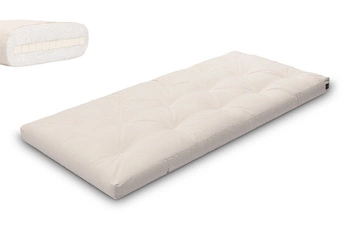
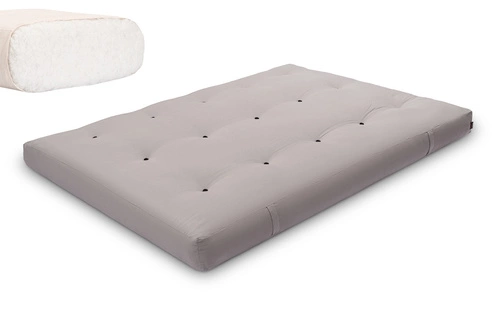
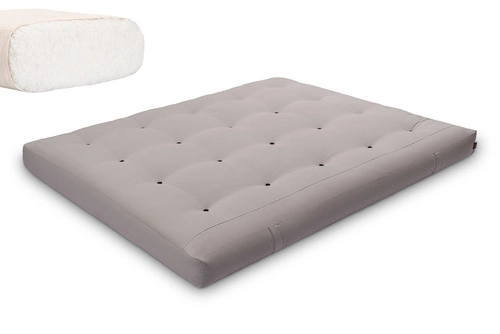
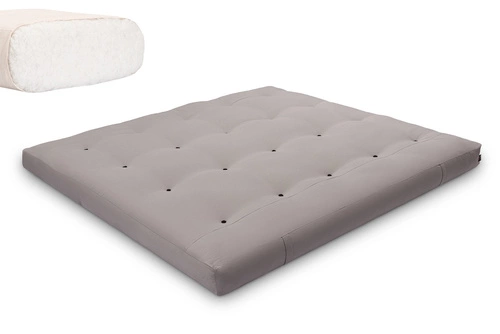
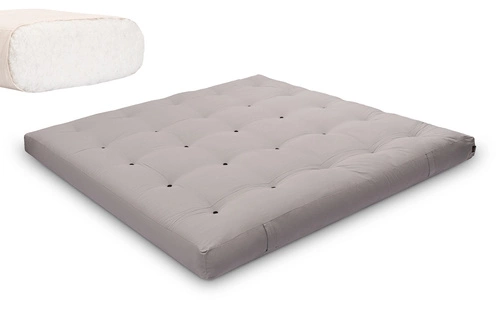
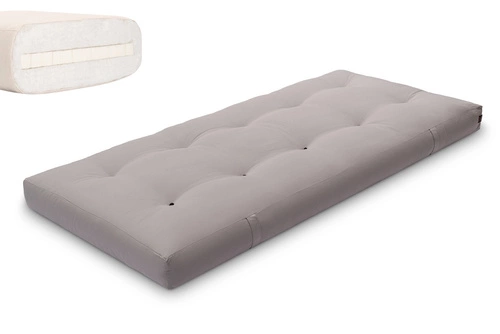
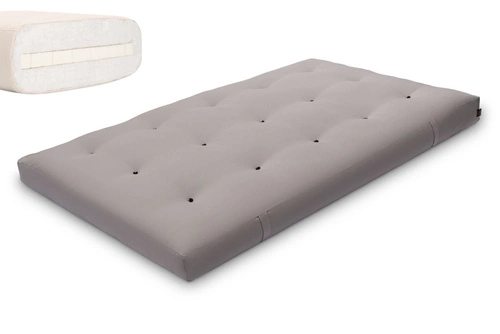
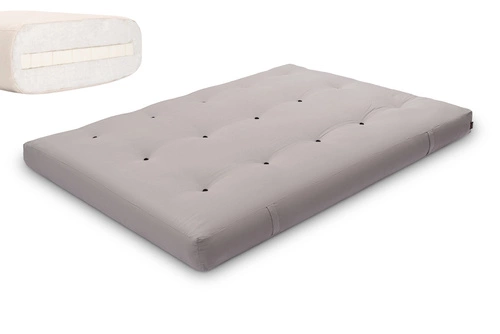
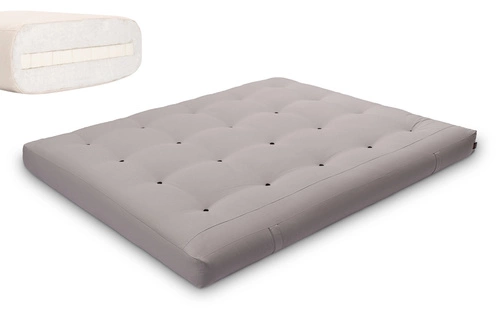
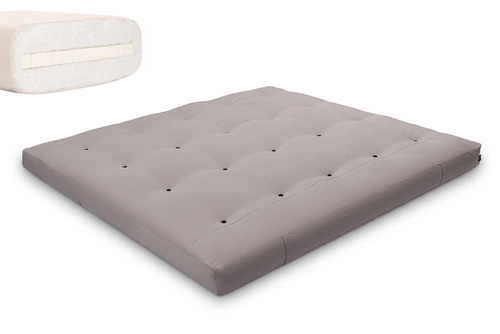
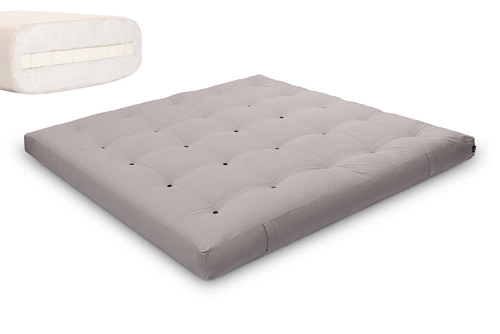
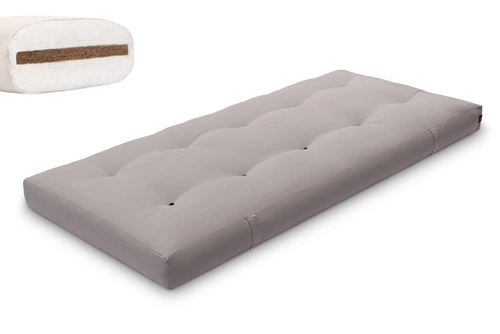
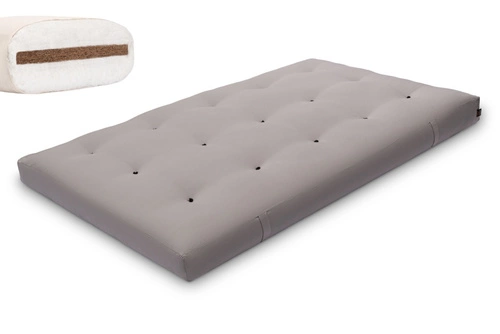
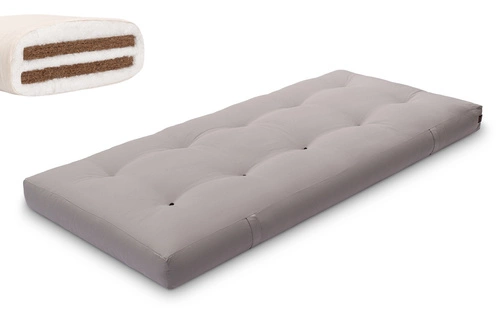
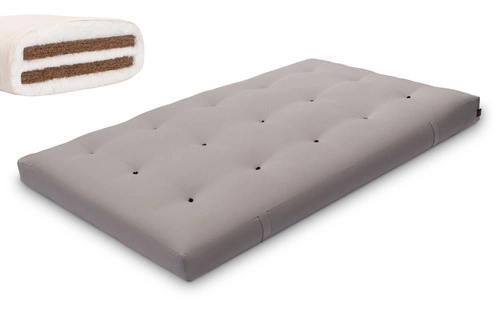
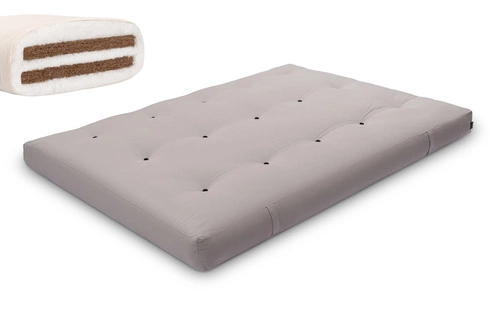
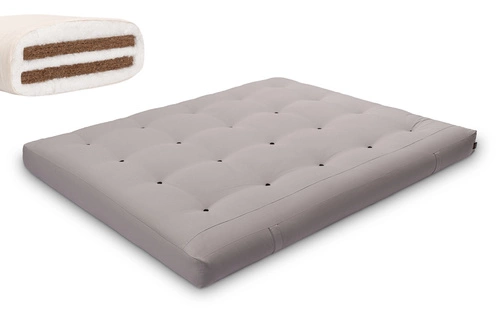
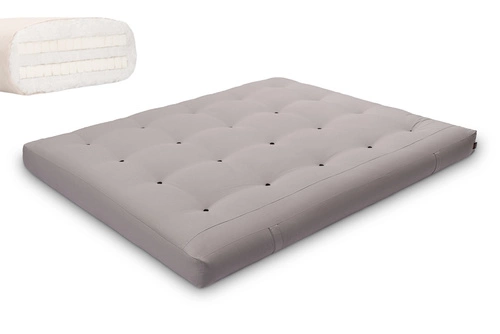
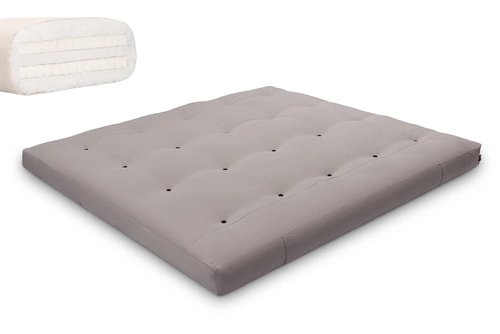
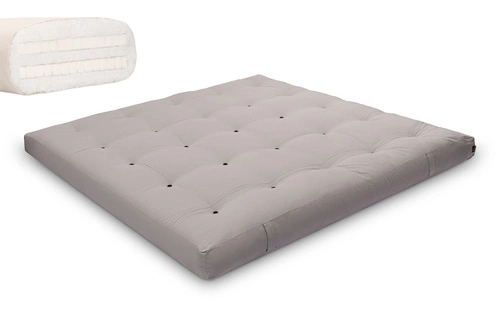
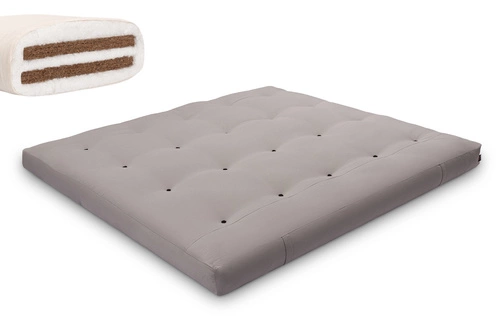
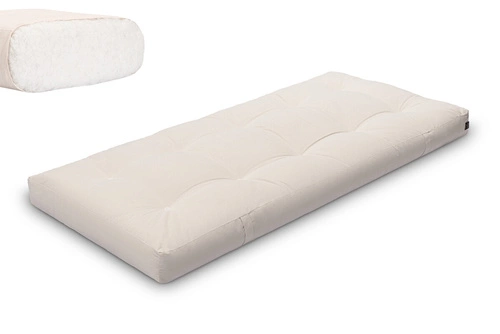
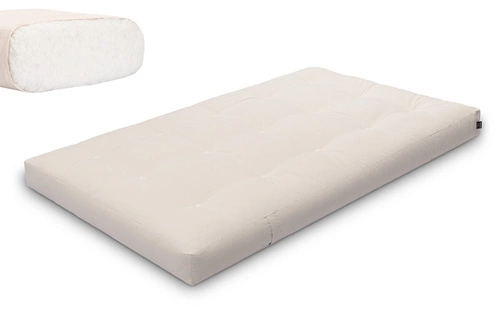
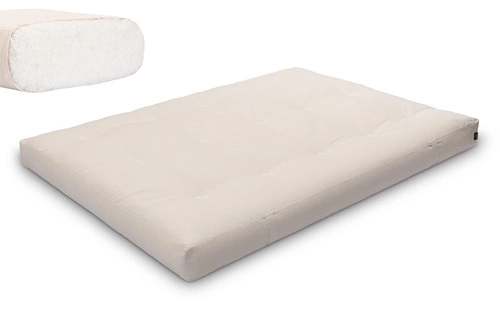
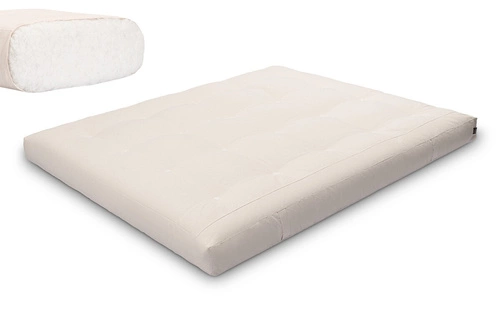
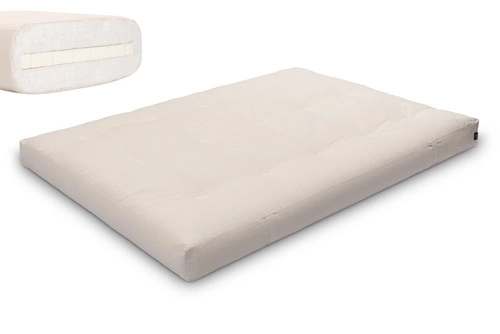
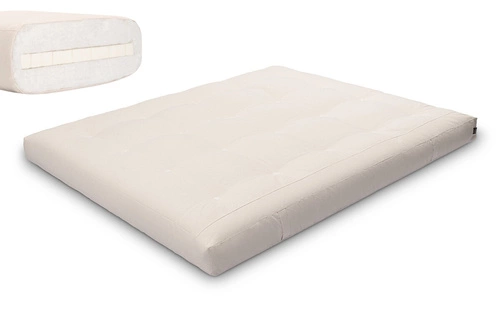
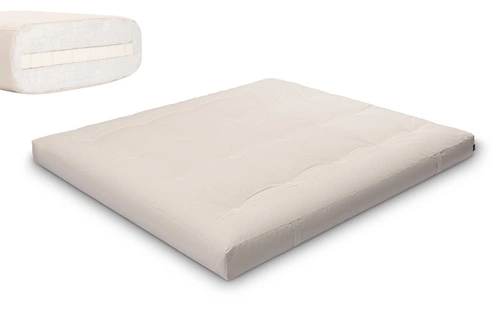
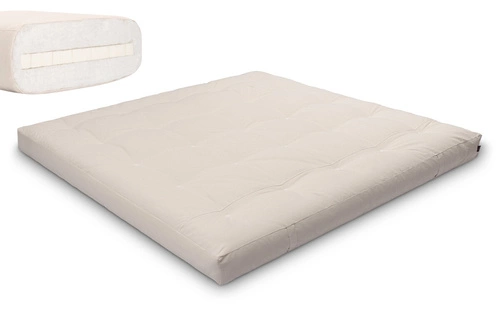
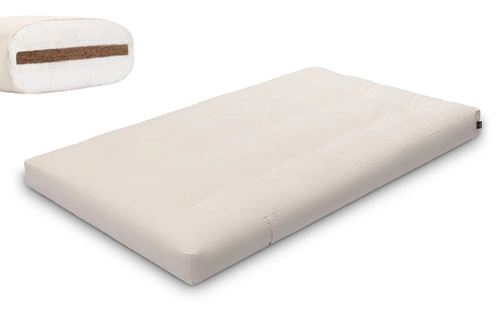
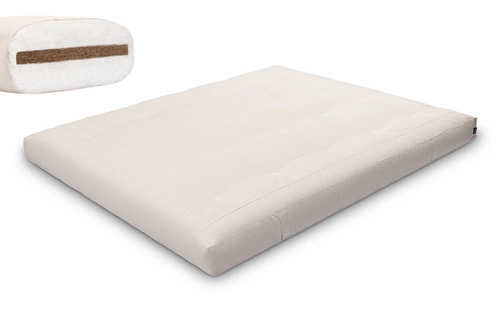
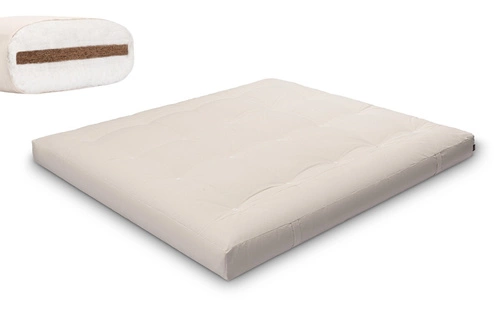
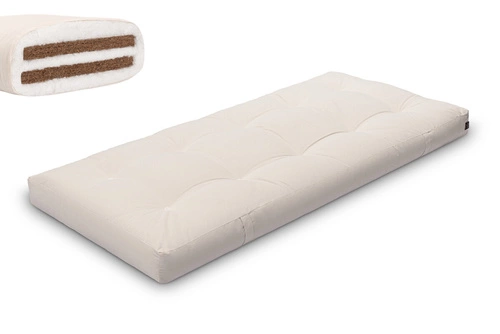
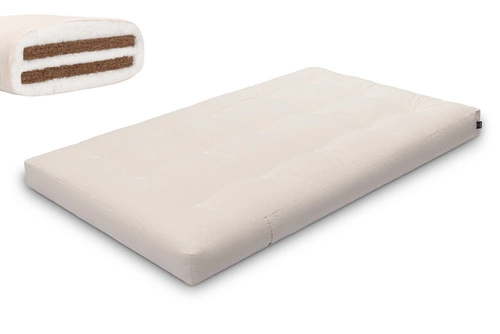
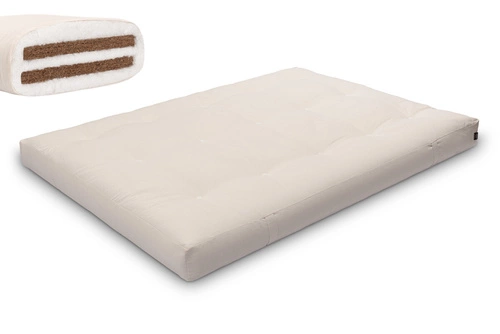
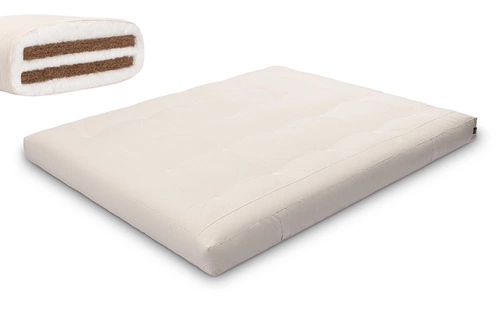
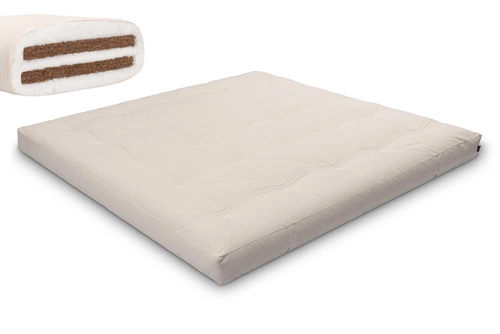
Japanese Futon Mattresses - Natural Comfort for Everyday Sleep
If you prefer a firmer, more stable sleeping surface and a simpler mattress construction, a Japanese futon mattress can be a strong alternative to conventional foam or spring mattresses. Futons are built from layered materials such as cotton batting, latex, coconut fibre, and, in selected models, wool.
At FutonLove.com, we create futon mattresses that combine Japanese-inspired simplicity with European craftsmanship. Each mattress is carefully tufted and made to provide a stable, supportive feel while fitting naturally into minimalist, Japandi, and Wabi-Sabi interiors.
What Is a Japanese Futon Mattress?
A traditional Japanese futon is a relatively simple, layered mattress designed around a firmer sleeping surface and flexible use. Modern European futons reinterpret this concept using different combinations of cotton, latex, coconut fibre, and other fillings to create a wider range of firmness levels and mattress heights.
Depending on the model, a futon mattress can be used on tatami mats, a suitable slatted bed base, or another well-ventilated support. It should not be kept directly on an unventilated floor for long periods, as airflow underneath the mattress is important.
Our futon mattresses may include:
- Cotton batting: the primary filling in many futon models, creating a stable, naturally firm feel.
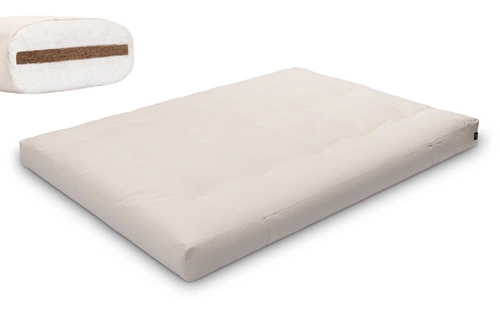
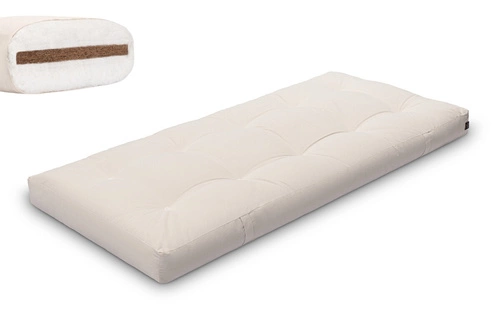
- Coconut fibre: used in selected models to increase firmness and structure.
- Latex: added in selected versions to increase elasticity and responsiveness.
- Wool: used in selected models as an additional natural fibre layer.
Futon Mattress vs Conventional Mattress - What Is the Difference?
The main difference lies in construction and feel. Futon mattresses typically use layered fillings and offer a firmer, more stable sleeping surface, while conventional mattresses often rely on thick foam cores, springs, or hybrid systems. Neither option is universally better - the right choice depends on your preferred firmness, sleeping habits, and bed base.
|
Feature |
Conventional Mattress |
Futon Mattress |
|
Construction |
Foam, springs, or hybrid systems |
Layered cotton with optional latex, coconut fibre, or wool |
|
Feel |
Ranges from soft to firm depending on the model |
Usually firmer and more stable |
|
Flexibility |
Usually designed for permanent bed use |
Depends on the model – thinner futons can be more flexible |
|
Bed Base |
Depends on mattress type |
Best used on tatami or a well-ventilated slatted base |
|
Maintenance |
Varies by construction |
Regular airing and turning recommended |
How to Choose the Right Futon Mattress
There is no single futon that suits everyone. The right mattress depends on how firm you like your sleeping surface, how often you plan to use it, and whether it will be placed on a sofa frame, bed frame, or tatami.
1. Cotton Futon Mattress
A classic cotton futon offers a simple, firm, and stable sleeping surface. Thinner cotton models are usually more flexible and may be suitable for guest use, travel, or compact spaces, depending on their construction.
2. Firm Futon with Coconut Fibre
Models combining cotton with coconut fibre provide a firmer and more structured feel. Coconut layers increase rigidity, making this type of futon suitable for users who prefer a more stable sleeping surface.
3. Futon with Latex
If a traditional cotton futon feels too firm, a version with latex can provide additional elasticity and responsiveness. Latex layers create a more flexible feel while maintaining the characteristic stability of a futon mattress.
European-Made Futons - Directly from the Manufacturer
FutonLove mattresses are made by Pascall in Europe and produced with a strong focus on craftsmanship, simple construction, and carefully selected materials. Buying directly from the manufacturer also allows you to compare different mattress heights, fillings, and firmness levels within one collection.
- Direct from the manufacturer: our futons are produced in-house by Pascall.
- Different constructions: choose between cotton, latex, coconut fibre, and selected wool combinations.
- Popular sizes: available sizes include 90x200, 120x200, 140x200, 160x200, 180x200, and 200x200 cm, depending on the model.
How to Care for a Futon Mattress
Futon mattresses benefit from regular care because cotton fibres naturally settle with use. Proper maintenance helps the mattress wear more evenly and remain comfortable over time.
- Turn the mattress regularly: rotate it from head to foot and top to bottom, usually about once a month.
- Air the mattress: allow it to ventilate regularly, ideally every few weeks.
- Use a ventilated base: place the futon on tatami or a suitable slatted bed base that allows airflow from underneath.
- Roll only suitable models: thinner Travel and selected flexible futons may be rolled, while Medium and Comfort models should not be rolled.
Choose Your Futon Mattress at FutonLove
Choosing a futon mattress means choosing a different approach to sleep: firmer support, layered construction, and a simpler connection between mattress and bed base. Explore the FutonLove collection, compare fillings, thicknesses, and firmness levels, and choose the model that best matches your preferred sleeping feel and interior.
Frequently Asked Questions
-
What makes a Japanese futon mattress different?
-
A Japanese-inspired futon mattress typically has a layered construction and a firmer, more stable feel than many conventional mattresses. Modern FutonLove models are primarily based on cotton batting and may also include latex, coconut fibre, or wool, depending on the version.
-
How should I care for a futon mattress?
-
Regular airing and turning are recommended. Rotate the mattress from head to foot and top to bottom to encourage even wear. Only models specifically designed to be rolled should be rolled; thicker Medium and Comfort futons should remain flat.
-
Which futon filling should I choose?
-
The best filling depends on your preferred feel. Cotton provides a firmer, stable surface, latex adds elasticity, and coconut fibre increases firmness and structure. Compare the individual model specifications before choosing.
-
Can a futon mattress be used on a standard bed frame?
-
Yes, provided the bed base offers suitable support and ventilation. A closely spaced slatted base or tatami works well for futon mattresses. Avoid placing the mattress permanently on a solid, unventilated surface.
-
How should I clean a futon mattress?
-
The integrated futon cover is not removable and should not be machine washed. Regular vacuuming with a soft attachment is recommended, while small stains should be treated locally with a slightly damp cloth and a gentle cleaning method suitable for the fabric. Avoid soaking the mattress.
-
Can every futon mattress be rolled and stored?
-
No. Rollability depends on thickness and internal construction. Travel and selected thinner futons are designed to be more flexible, while thicker Medium and Comfort mattresses, especially those containing rigid coconut layers, should not be rolled.