 Pay your way: Klarna, PayPal & more
 contact@futonlove.com
 Immediate shipping


Futon Mattresses for sleeping
( number of products: 36 )If you are looking for a comfortable and practical mattress with a simple layered construction, futons for sleeping are a versatile choice. Inspired by traditional Japanese bedding, they offer a stable, grounded sleeping feel and are available with different combinations of cotton batting, latex, coconut fibre, or pocket springs. A Japanese-style mattress for sleeping stands out for its minimalist form and range of firmness levels, making it easier to choose a model that suits different sleeping preferences. A good mattress for sleeping should match your body weight, preferred firmness, sleeping position, and the type of bed base you use.
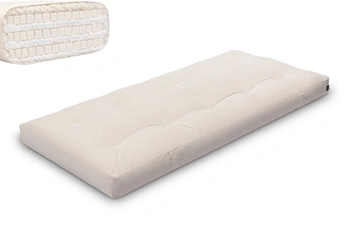

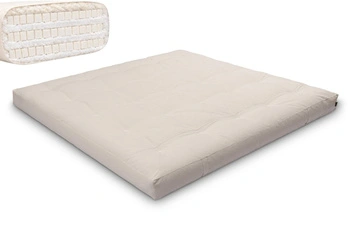
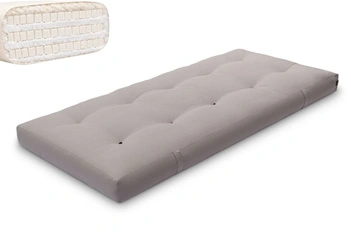

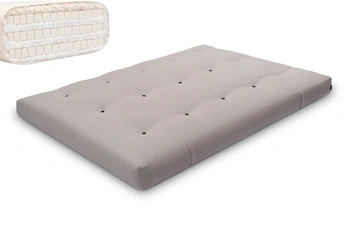
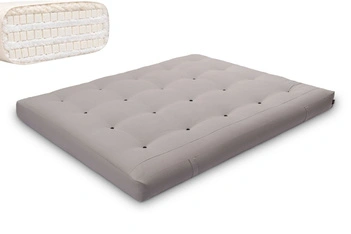
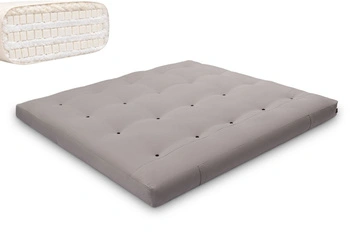

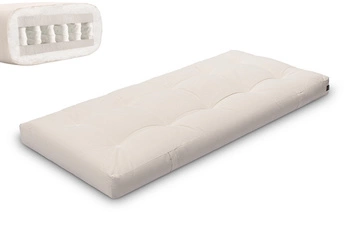
Futon Mattress 90x200 - Hybrid Pocket H3 - Pascall Ecru
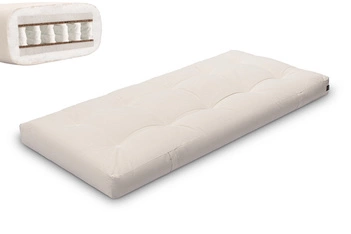
Futon Mattress 90x200 - Hybrid Pocket H4 - Pascall Ecru

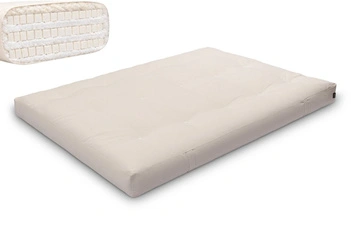
Futon Mattress 120x200 - Hybrid Pocket H3 - Pascall Ecru

Futon Mattress 120x200 - Hybrid Pocket H4 - Pascall Ecru

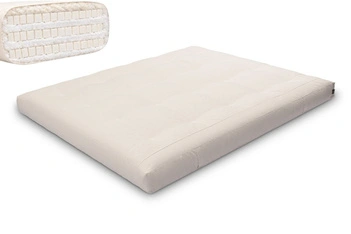
Futon Mattress 140x200 - Hybrid Pocket H3 - Pascall Ecru

Futon Mattress 140x200 - Hybrid Pocket H4 - Pascall Ecru

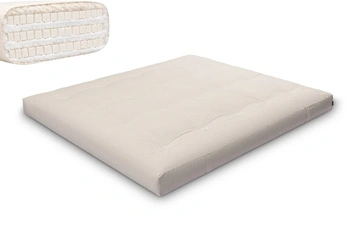
Futon Mattress 160x200 - Hybrid Pocket H3 - Pascall Ecru

Futon Mattress 160x200 - Hybrid Pocket H4 - Pascall Ecru

Futon Mattress 180x200 - Hybrid Pocket H3 - Pascall Ecru

Futon Mattress 180x200 - Hybrid Pocket H4 - Pascall Ecru

Futon Mattress 200x200 - Hybrid Pocket H3 - Pascall Ecru

Futon Mattress 200x200 - Hybrid Pocket H4 - Pascall Ecru

Futon Mattress 90x200 - Hybrid Pocket H3 - Pascall Grey

Futon Mattress 90x200 - Hybrid Pocket H4 - Pascall Grey

Futon Mattress 120x200 - Hybrid Pocket H3 - Pascall Grey

Futon Mattress 120x200 - Hybrid Pocket H4 - Pascall Grey

Futon Mattress 140x200 - Hybrid Pocket H3 - Pascall Grey

Futon Mattress 140x200 - Hybrid Pocket H4 - Pascall Grey

Futon Mattress 160x200 - Hybrid Pocket H3 - Pascall Grey

Futon Mattress 160x200 - Hybrid Pocket H4 - Pascall Grey

Futon Mattress 180x200 - Hybrid Pocket H3 - Pascall Grey

Futon Mattress 180x200 - Hybrid Pocket H4 - Pascall Grey

Futon Mattress 200x200 - Hybrid Pocket H3 - Pascall Grey

Futon Mattress 200x200 - Hybrid Pocket H4 - Pascall Grey
Japanese-Style Mattress for Sleeping - Simple, Stable Comfort
A Japanese-style mattress for sleeping is inspired by the simplicity of traditional futon bedding and offers a stable, grounded sleeping feel. FutonLove models are available in different thicknesses and constructions, from flexible cotton-based futons to thicker mattresses with latex, coconut fibre, or pocket springs. This makes it easier to choose a model that matches your preferred level of firmness, responsiveness, and everyday use.
Good Mattress for Sleeping - Why Choose a Futon?
A good mattress for sleeping should match your body weight, sleeping position, preferred firmness, and bed setup. Futon mattresses offer a distinctive alternative to conventional foam or spring mattresses thanks to their layered construction and generally more structured feel. Depending on the model, they can be used on a suitable bed frame or together with a tatami mat.
Frequently Asked Questions
-
What makes futon mattresses different from conventional mattresses?
-
Futon mattresses are built from layered fillings and usually provide a firmer, more grounded feel than many conventional mattresses. Depending on the model, FutonLove futons may contain cotton batting, latex, coconut fibre, wool, or pocket springs. Their construction and thickness determine how firm, elastic, or responsive the sleeping surface feels.
-
Does a futon mattress fit every bed frame?
-
A futon mattress should be used on a stable, supportive base that allows air to circulate underneath. Closely spaced wooden slats or tatami mats are suitable for many models. Very large gaps between slats and permanently unventilated solid surfaces should be avoided. Compatibility with adjustable bases depends on the specific mattress construction.
-
What materials are used in futon mattresses for sleeping?
-
Cotton batting forms the basis of many FutonLove mattresses. Depending on the model, additional layers may include coconut fibre, latex, wool, or a pocket spring core. Each material changes the feel of the mattress: coconut fibre adds rigidity, latex increases responsiveness, and pocket springs create a more dynamic surface. The latex used in FutonLove mattresses is approximately 20% natural and 80% synthetic.
-
How should I care for a Japanese-style futon mattress?
-
Regular airing and turning help the mattress wear more evenly. Rotate it from head to foot and top to bottom according to the care instructions for the selected model. Only flexible futons specifically designed for rolling should be rolled. Medium and Comfort models should remain flat and do not require rolling. Avoid soaking the mattress and ensure airflow underneath.
-
What are the main differences between FutonLove mattress models?
-
The main differences are mattress thickness, internal materials, firmness, responsiveness, and intended use. Slim models are approximately 14 cm thick and are well suited to futon sofas, Medium models are around 18 cm and designed for bedroom use, Comfort mattresses are approximately 22 cm thick, and Hybrid models are around 21 cm and include a pocket spring core. Travel Natural is approximately 8 cm thick and designed to be rolled.