 Pay your way: Klarna, PayPal & more
 contact@futonlove.com
 Immediate shipping


Mattresses for back sleepers
( number of products: 112 )Back sleepers usually benefit from a mattress that provides stable, even support across the body, especially around the lower back. A mattress for back sleepers should feel supportive enough to limit excessive sinking while still offering enough comfort to avoid an overly rigid sleeping surface. Futon mattresses can be a good option thanks to their layered construction and firmer, more stable feel, with different fillings available to adjust elasticity and firmness to individual preferences.


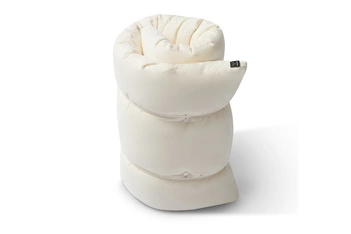
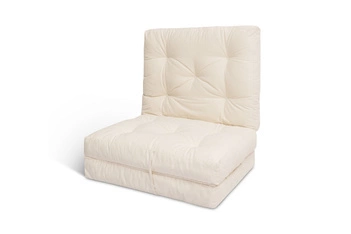
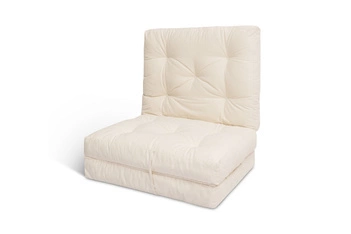
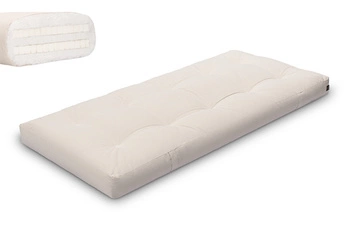
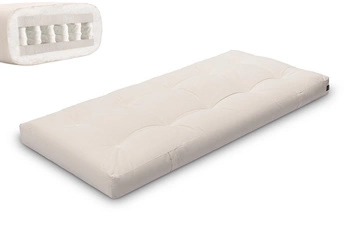
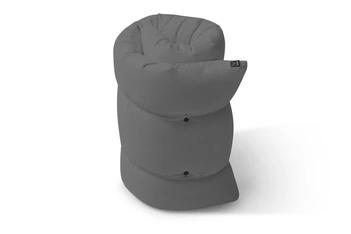
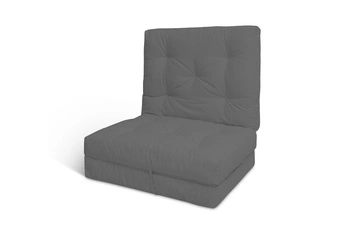
Futon Folding Mattress 90x200 with latex - Flex Latex - Pascall Ecru
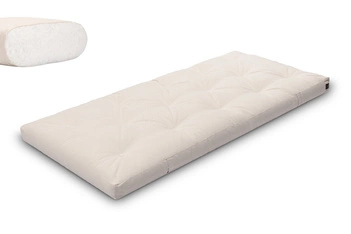
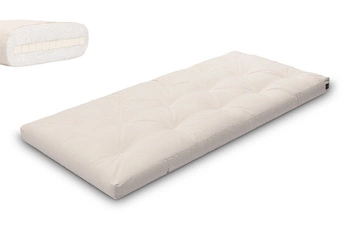
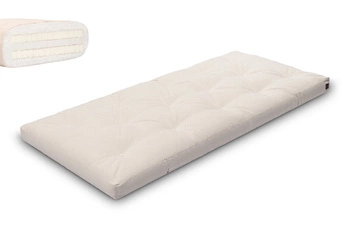
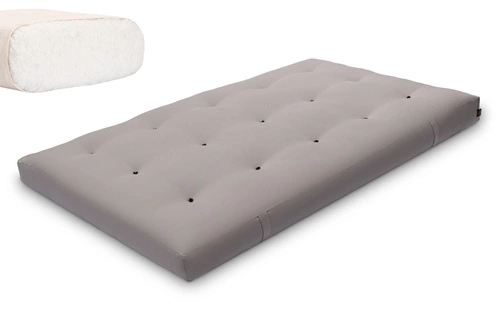
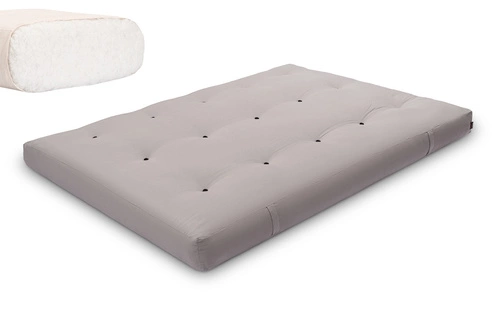
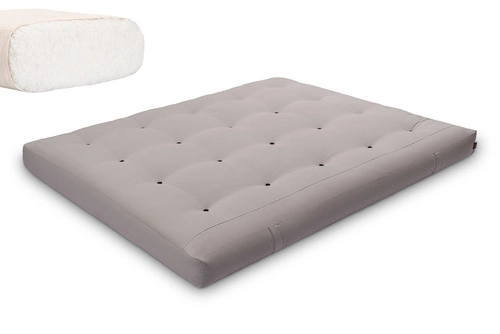
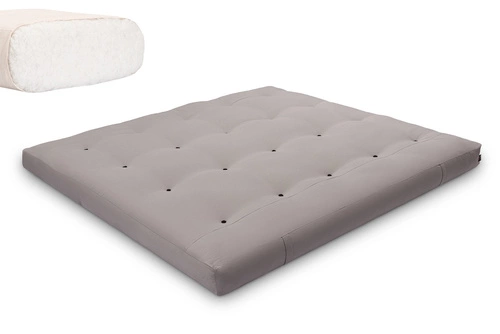
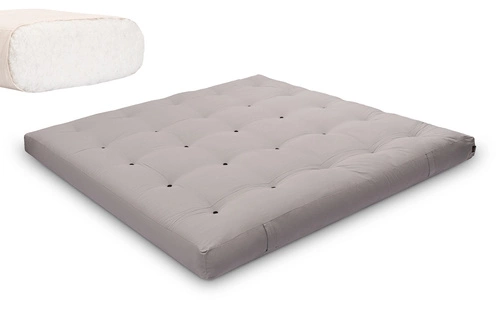
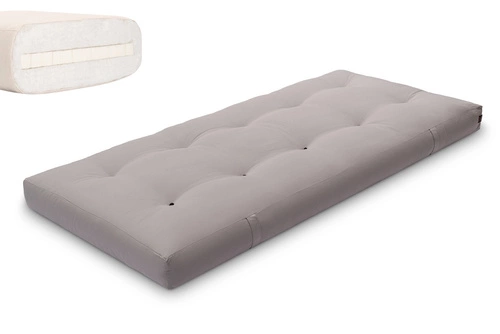
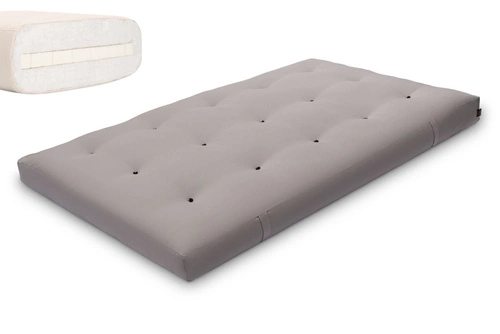
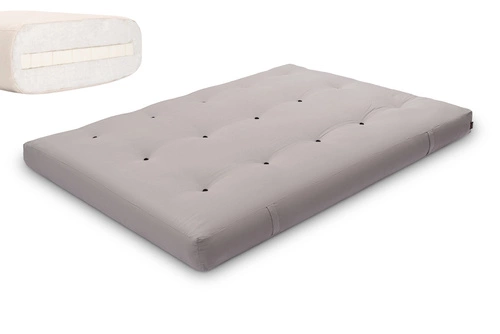
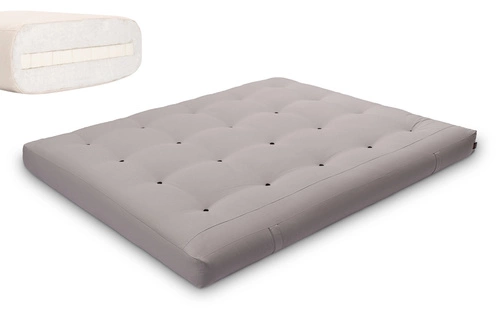
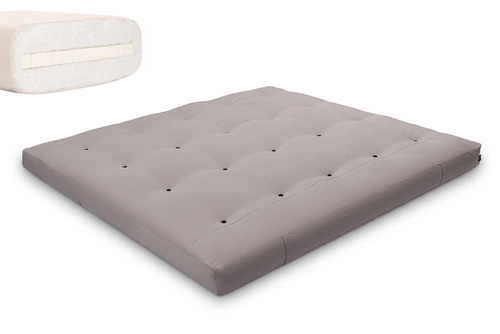
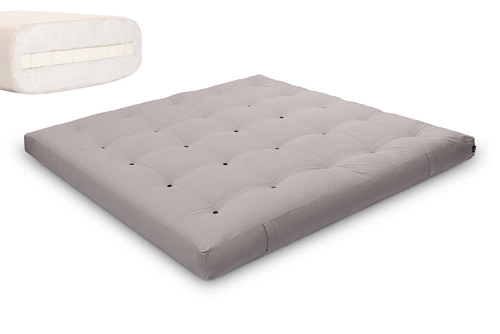
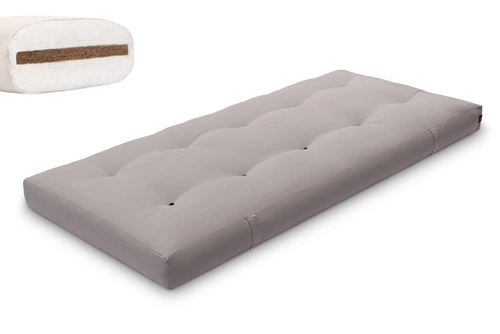
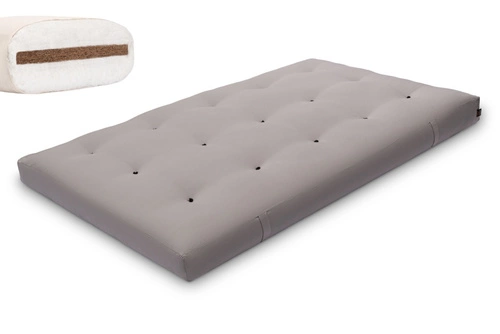
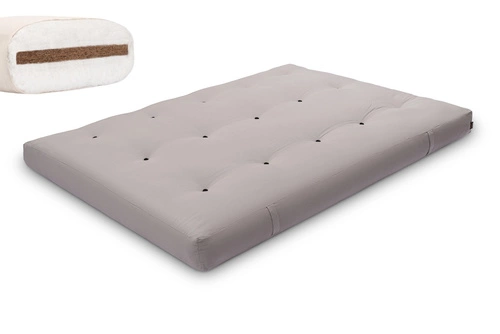
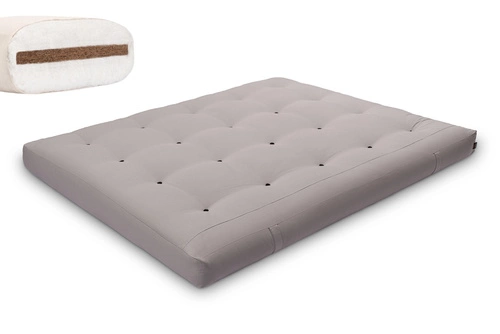
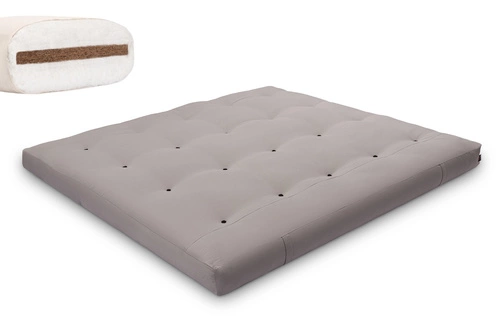
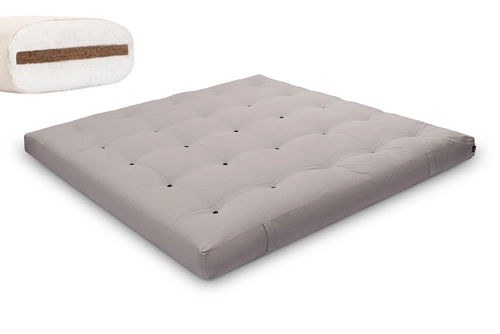
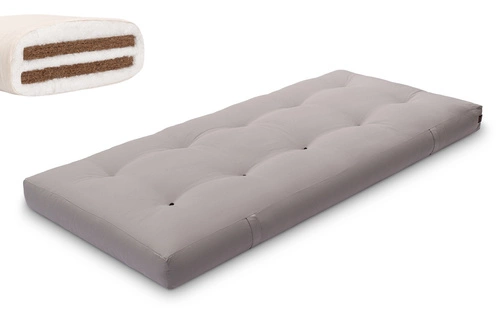
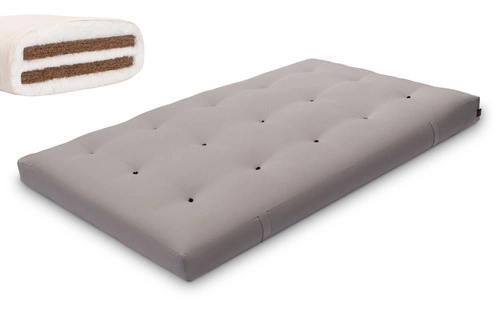
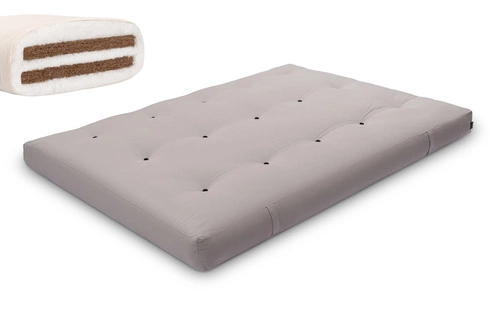
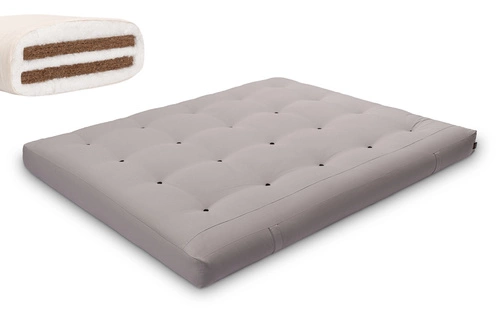
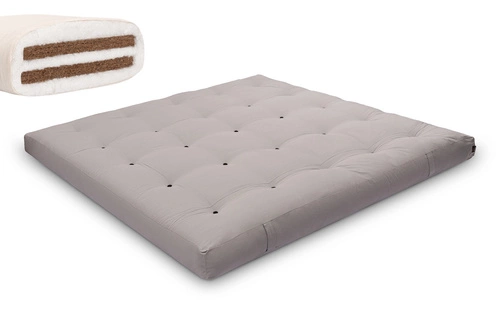
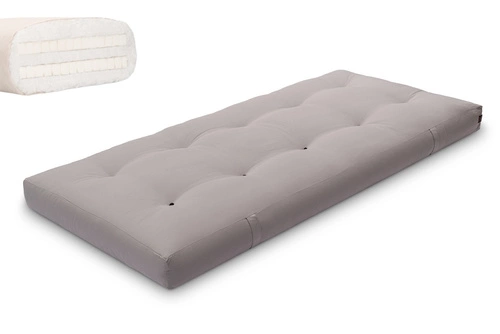
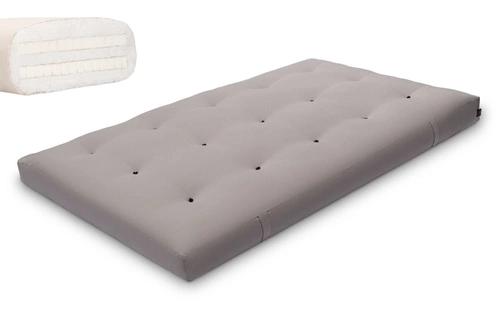
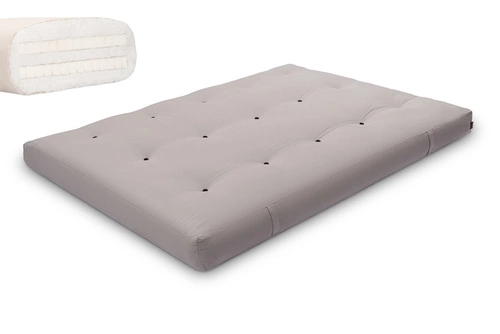
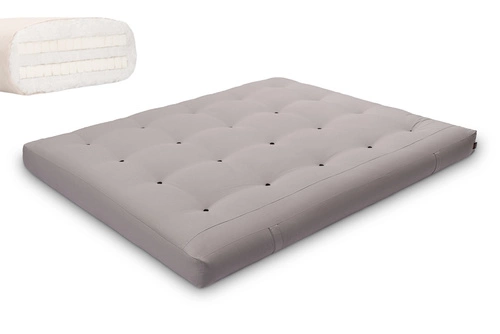
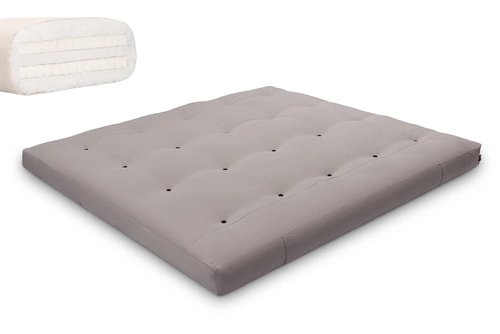
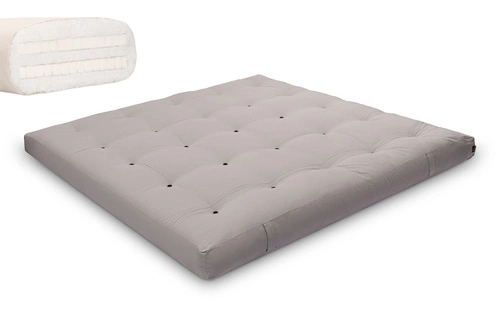
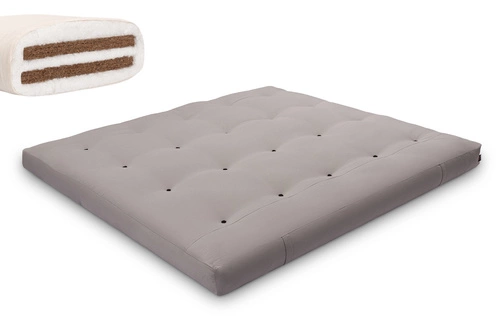
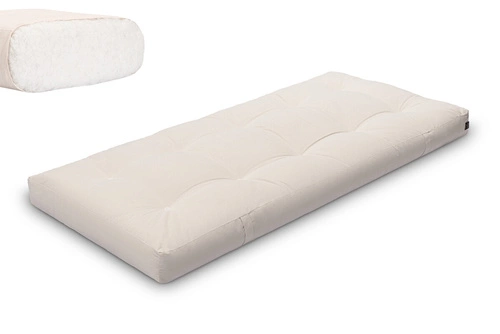
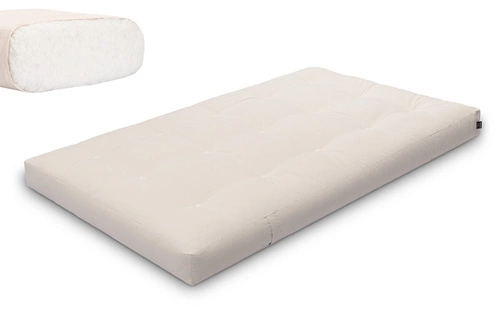
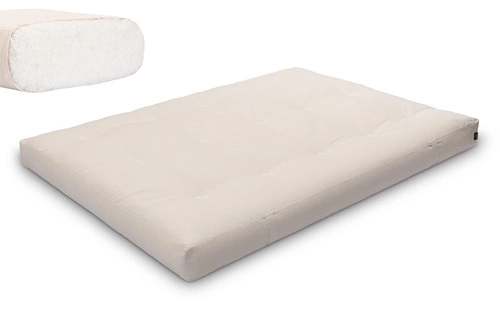
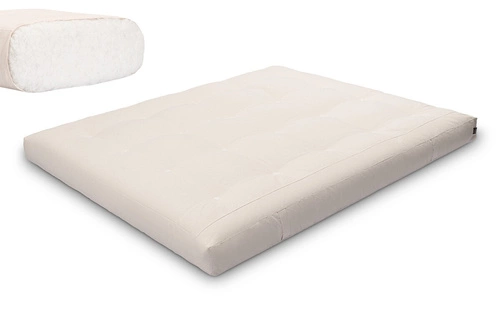
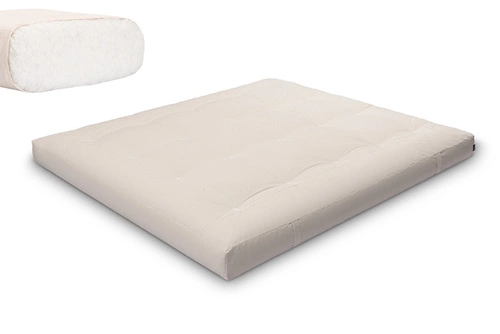
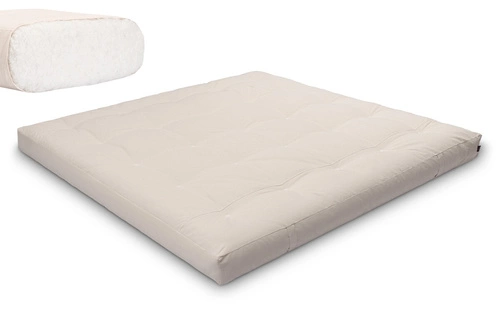
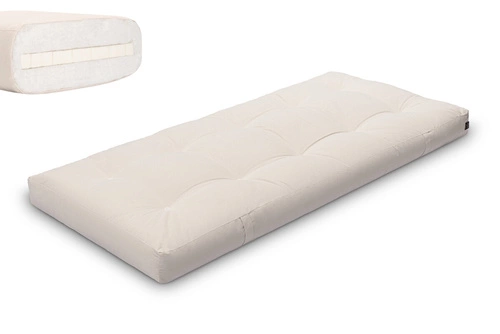
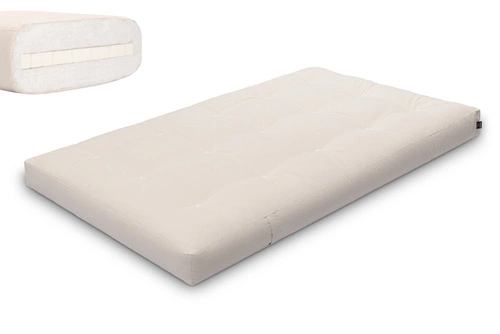
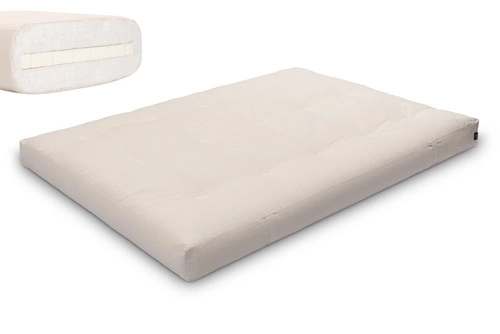
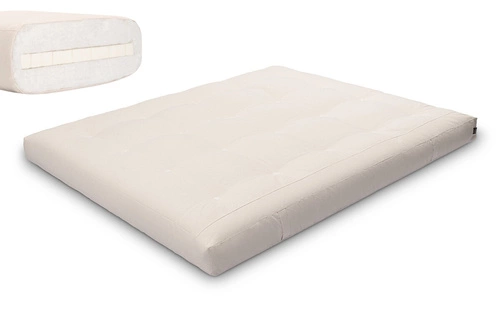
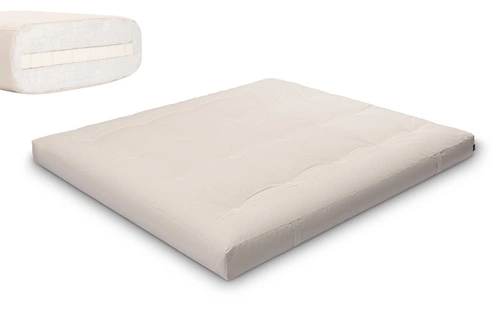
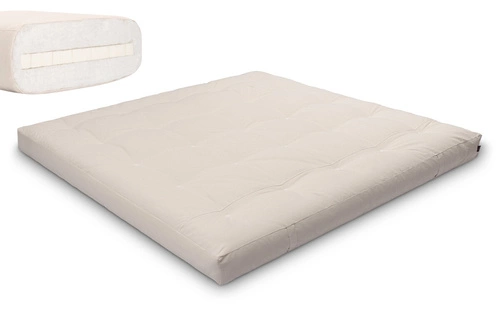
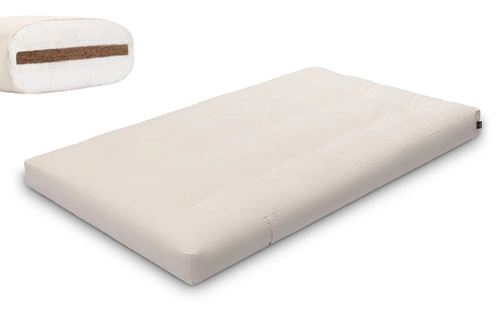
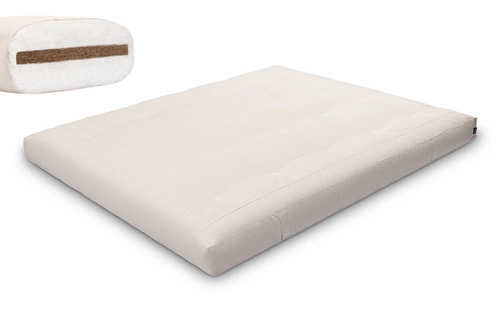
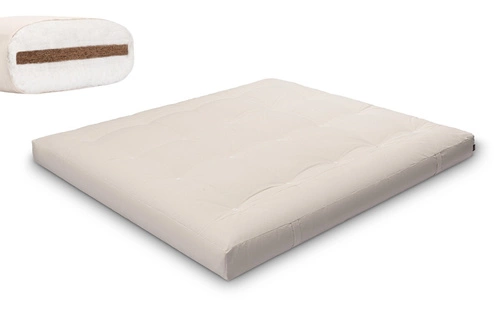
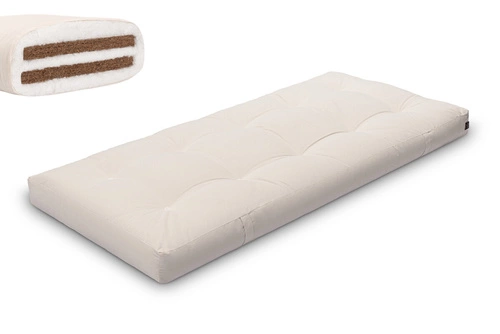
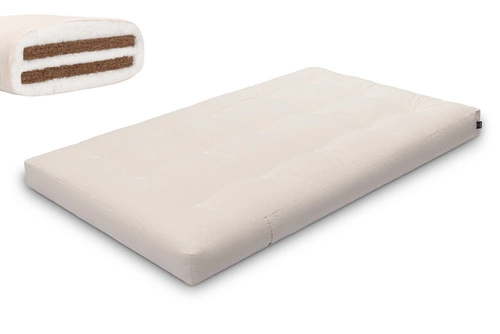
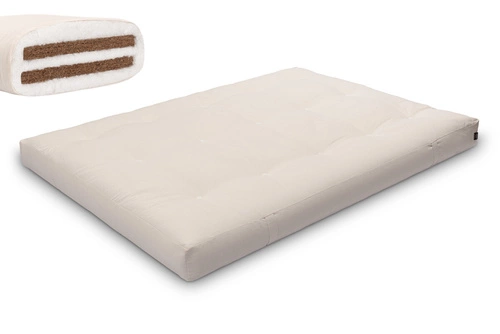
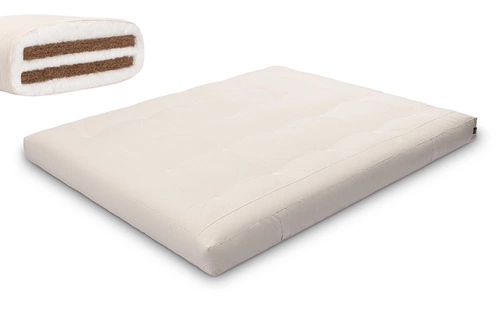
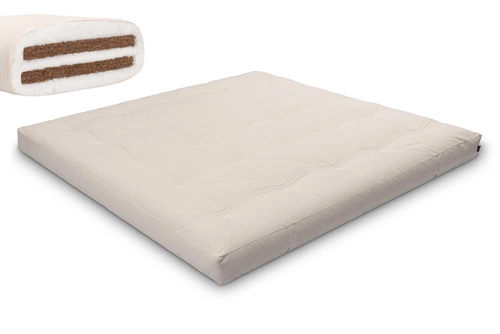
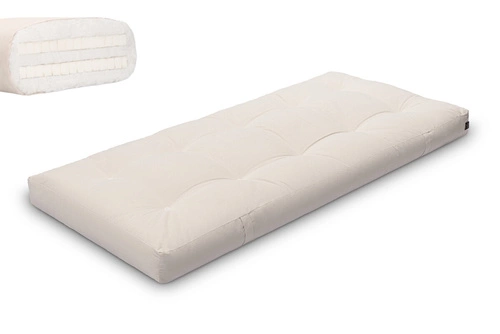
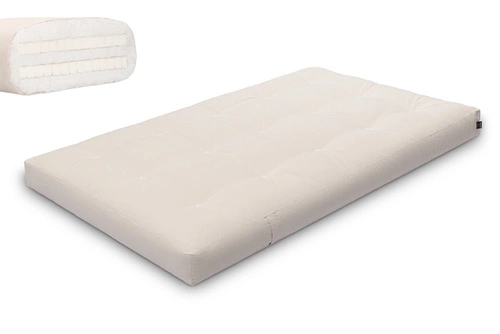
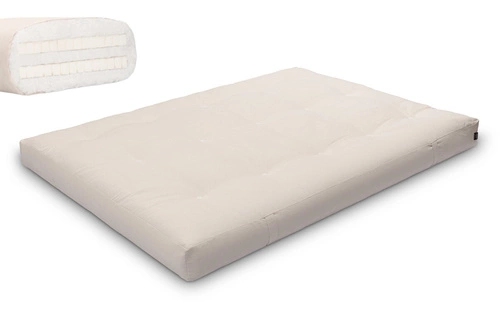
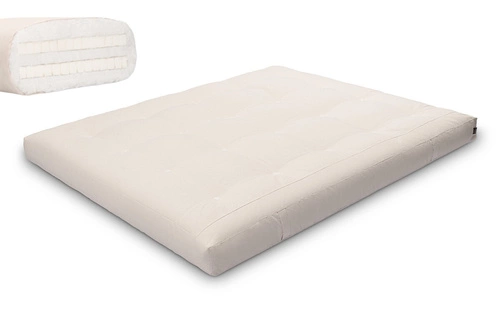
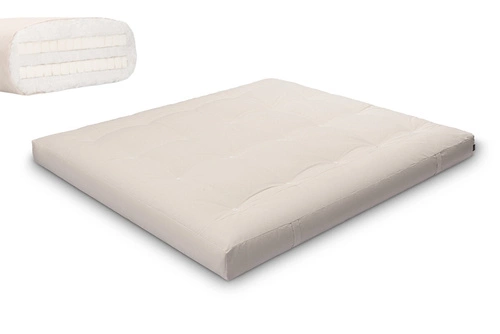
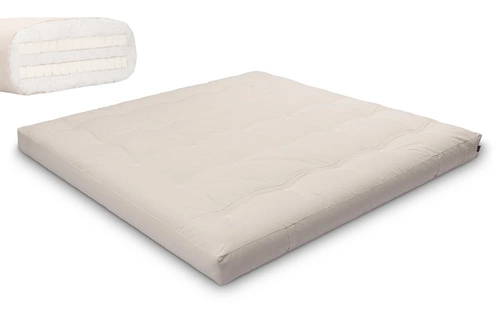
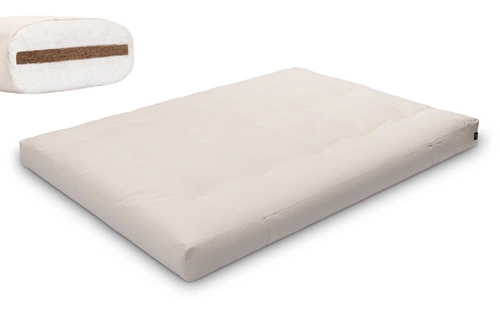
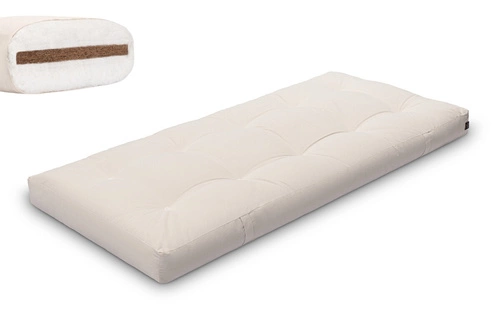
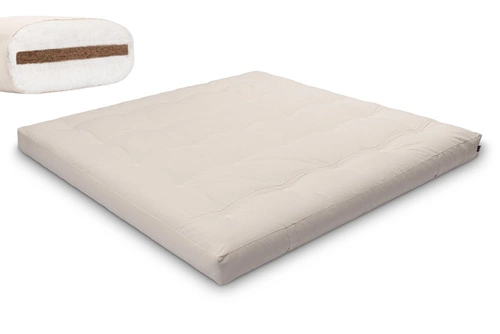
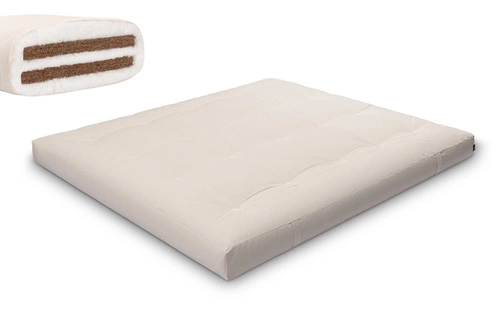
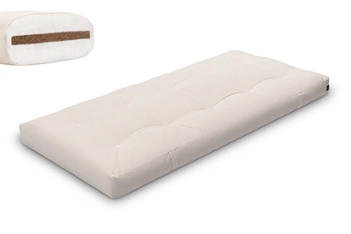
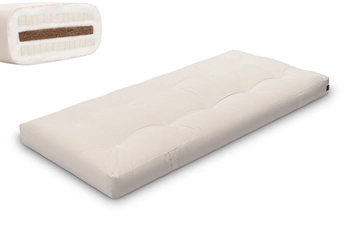
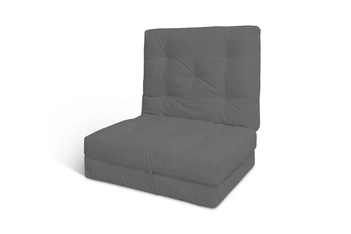
Futon Mattress 90x200 with coconut and 2x latex - Comfort Relax - Pascall Ecru
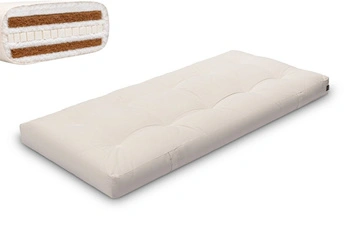
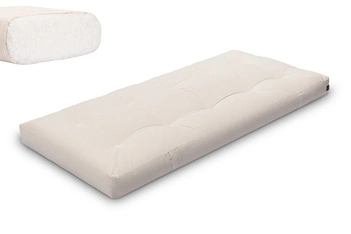
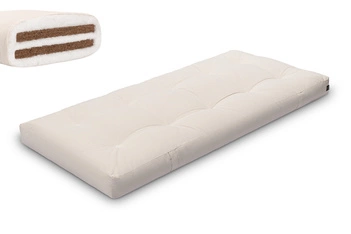
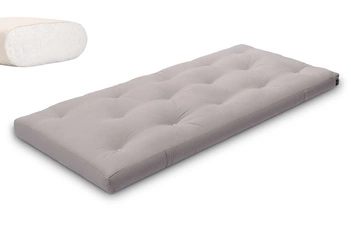
Futon Mattress 90x200 with latex and 2x coconut - Comfort Relax Hard - Pascall Ecru

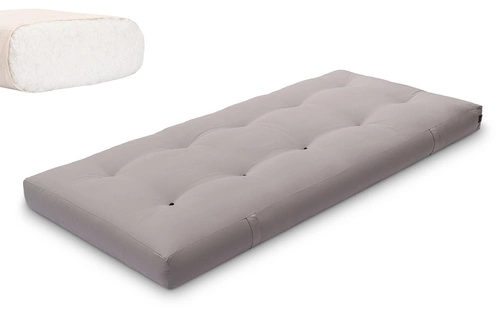
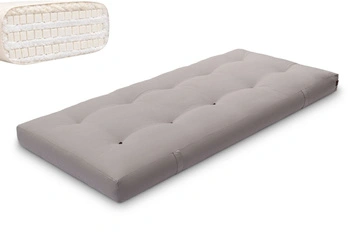
Futon Mattress 90x200 with latex and 2x coconut - Comfort Relax Hard - Pascall Grey
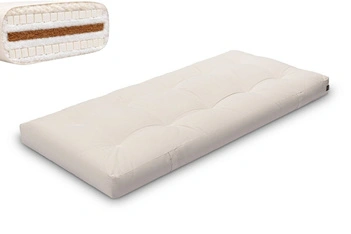
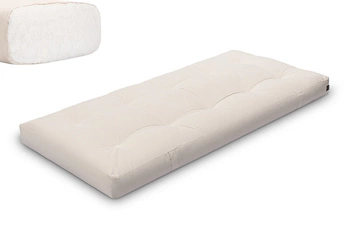
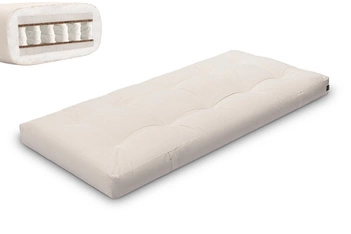
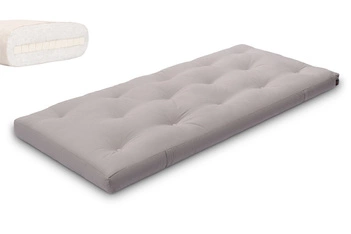
Futon Mattress 90x200 with wool, coconut and 2x latex - Comfort Wool - Pascall Ecru
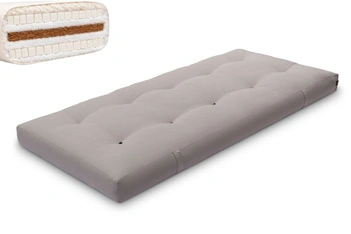
Futon Mattress 90x200 with wool, coconut and 2x latex - Comfort Wool - Pascall Grey
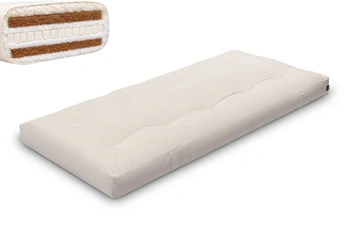
Futon Mattress 90x200 with wool, latex and 2x coconut - Comfort Wool Hard - Pascall Ecru
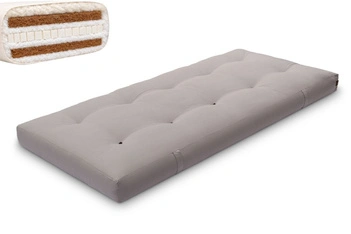
Futon Mattress 90x200 with wool, latex and 2x coconut - Comfort Wool Hard - Pascall Grey
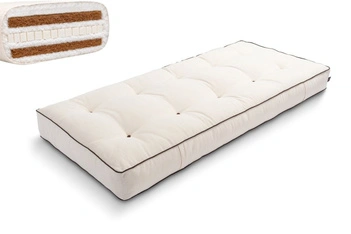
Futon Mattress 90x200 with latex and 2x coconut - Comfort Relax Hard - Pascall Kedro Ecru

Futon Mattress 90x200 with latex and 2x coconut - Comfort Relax Hard - Pascall Kedro Linen
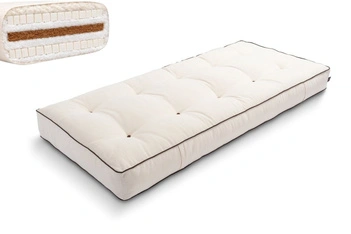
Futon Mattress 90x200 with wool, coconut and 2x latex - Comfort Wool - Pascall Kedro Ecru
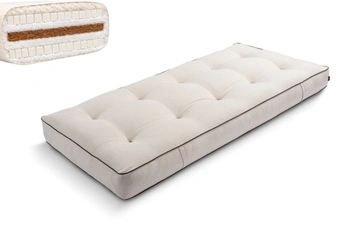
Futon Mattress 90x200 with wool, coconut and 2x latex - Comfort Wool - Pascall Kedro Linen
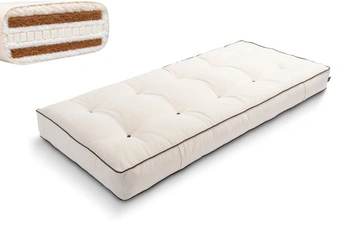
Futon Mattress 90x200 with wool, latex and 2x coconut - Comfort Wool Hard - Pascall Kedro Ecru

Futon Mattress 90x200 with wool, latex and 2x coconut - Comfort Wool Hard - Pascall Kedro Linen
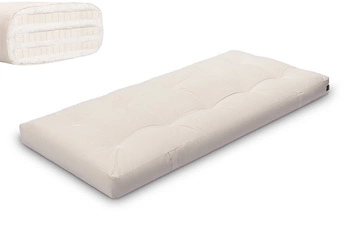
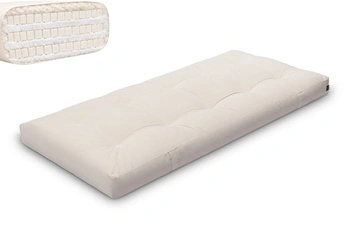
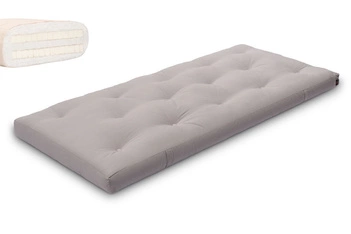
Mattress for Back Sleepers - How to Choose the Right Firmness
When choosing a mattress for back sleepers, firmness is an important factor. Medium-firm to firm constructions are often a good starting point because they provide a stable surface without feeling excessively rigid. Futons made with cotton, coconut fibre, or latex offer different levels of firmness and responsiveness, allowing you to choose the sleeping feel that best matches your body weight and personal preferences.
Frequently Asked Questions
-
What firmness is best for a mattress for back sleepers?
-
Back sleepers often prefer a medium-firm or firm mattress because it can provide a stable, evenly supported feel. The best firmness still depends on body weight, body shape, and personal preference. A mattress that is too soft may allow excessive sinking, while one that is too firm may feel uncomfortable in some areas.
-
Why can futon construction work well for back sleepers?
-
Futon mattresses are built from layered fillings that create a stable and relatively firm sleeping surface. Cotton batting forms the basis of many Pascall models, while latex can add responsiveness and coconut fibre can increase rigidity. This makes it possible to choose a construction that feels more structured or more elastic depending on your preferences.
-
Does mattress size affect comfort for back sleepers?
-
Yes. Mattress width influences how much room you have to move and relax during sleep. A single sleeper may prefer 90x200 or 120x200 for additional space, while couples often choose 160x200, 180x200, or larger. The right size depends mainly on available bedroom space and how much personal sleeping room you prefer.
-
How should I care for a futon mattress used for everyday sleep?
-
Regular airing and turning help the mattress wear more evenly. Rotate it from head to foot and top to bottom according to the care recommendations. Only flexible models specifically designed for rolling should be rolled. Medium and Comfort futons should remain flat and do not require rolling.
-
What type of bed base is suitable for a mattress for back sleepers?
-
A futon mattress should be placed on a stable, supportive base that allows air to circulate underneath. Closely spaced wooden slats or tatami mats are suitable options. Avoid permanently unventilated solid surfaces and very large gaps between slats.
-
What is the difference between coconut fibre and latex in a futon mattress?
-
Coconut fibre increases firmness and gives the mattress a more rigid, structured feel. Latex works differently: it adds elasticity and responsiveness, so the surface reacts more readily to pressure and movement. Some constructions combine both materials to create a balance between firmness and flexibility.